If you’ve spent any time working in marine livestock, aquaculture, or even small-scale hobbyist systems, you know how critical a reliable water nipple is—especially when it comes to KC Nipples, the specialized devices designed to deliver consistent, controlled water access to marine species from clownfish and corals to juvenile abalone. As a long-time supplier of KC Nipples, I’ve talked to hundreds of system operators, from commercial hatchery managers to small public aquarium curators, and I can tell you: while these nipples solve a lot of problems marine teams face, they come with unique challenges that most first-time buyers don’t see coming. This isn’t a “buy KC Nipples and everything works” post—it’s the honest breakdown of the hurdles we see daily, and what we work with clients to overcome. KC Nipple
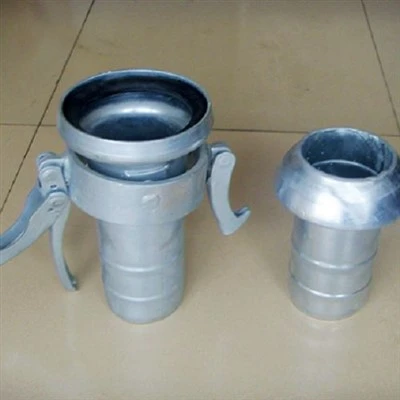
First, let’s ground this in what makes marine environments so unforgiving. Unlike freshwater systems, marine water is a corrosive cocktail of salt, trace minerals, biological slime, and occasional fluctuating temperatures and pH levels. KC Nipples are engineered to handle this, but the design choices that make them effective on land or in simple aquariums can become liabilities at sea. The biggest initial challenge we hear about is biofouling and mineral scaling. Biofouling is the process where algae, bacteria, and marine invertebrates (like bryozoans or barnacle larvae) attach to surfaces submerged in seawater. Most KC Nipples use a small, spring-loaded rubber or silicone tip that dispenses water when pressure is applied by an animal. If slime or tiny organisms build up in that tip’s opening or around the spring mechanism, the flow can slow to a trickle—or stop entirely. We had a client last year running a juvenile oyster hatchery in Puget Sound who installed standard KC Nipples without a pre-installed anti-fouling filter. Within three weeks, the nipple tips were coated in a thin biofilm that blocked 70% of water flow, forcing him to drain 12,000 gallons of water and manually clean 200 nipples. Mineral scaling is another piece: dissolved calcium, magnesium, and carbonate in seawater can precipitate out, especially when water temperature rises or pressure drops, leaving hard, crusty deposits inside the nipple’s internal pathways. Unlike biofilm, scaling is structural—it can wear down the spring or warp the tip if left unaddressed, leading to leaks that waste water and disrupt the delicate salinity balance of the system.
Next, corrosion compatibility. This is where marine environments differ sharply from the freshwater systems KC Nipples are often tested in. Standard nipple materials, like carbon steel or even some aluminum alloys, will corrode rapidly in saltwater, releasing metal ions that are toxic to many marine species—especially sensitive ones like seahorses, corals, or larval fish. We once had a public aquarium client try to cut costs by using a non-marine-grade KC Nipple made with zinc-plated steel; within two months, the zinc had leached into their display tank, causing a 30% die-off of their clownfish fry. The lesson here isn’t that KC Nipples are bad—it’s that generic suppliers don’t always specify marine-grade materials, and even our KC Nipples require careful material matching. We work with clients to source grade 316L stainless steel for all internal components and food-grade silicone tips that resist both corrosion and leaching, but even with that, there’s a catch: saltwater crevice corrosion. The small gaps between the nipple’s body and its mounting hardware can trap stagnant saltwater, creating an electrochemical reaction that eats away at stainless steel over time. That’s why we recommend Teflon-coated mounting gaskets to eliminate those gaps, but many clients skip this to save on installation time, leading to premature nipple failure.
Third, pressure regulation mismatches. Marine systems—especially commercial aquaculture operations—rely on consistent water pressure to deliver reliable water flow to hundreds or thousands of KC Nipples. Unlike freshwater systems, which often use gravity-fed or low-pressure pumps, marine farms and off-shore systems (for remote aquaculture sites) use high-pressure pumps to push water through long, intricate piping networks. KC Nipples are calibrated for specific pressure ranges, usually 15 to 30 psi for standard models, but if pressure spikes from a pump malfunction or a clogged line, the nipple’s tip can open too far, dispensing water faster than marine species can consume it. This leads to waste: standing water in the tank that becomes a breeding ground for harmful bacteria, or diluted salinity that stresses corals. Conversely, if pressure drops—common in remote sites with inconsistent power for pumps—the KC Nipple may not open at all, leaving juvenile marine life without access to water during critical growth periods. We’ve seen this play out with a salmon farm in the Gulf of Alaska, where a power outage caused a 10 psi pressure drop, disabling 40% of their KC Nipples overnight, resulting in a 15% loss of juvenile salmon. The fix? We work with clients to install pressure regulators tailored to their system’s unique layout, but that adds a layer of cost and complexity that many small operators don’t plan for.
Fourth, species-specific adaptation. KC Nipples are designed to work with a range of animals, but marine species have vastly different feeding and hydration behaviors that can make the nipple’s design a poor fit if not customized. For example, corals get most of their water and nutrients via their symbiotic algae, but some soft corals and mushroom corals will accidentally block KC Nipple openings with their polyps, cutting off water flow to adjacent colonies. Meanwhile, seahorses and pipefish, which have small mouths and feed in slow-moving water, struggle to activate standard KC Nipples, which require a firm jaw pressure to open. We had a client breeding seahorses in Florida who reported 25% higher mortality rates than expected, until we realized their KC Nipples had too stiff a spring—seahorses couldn’t generate enough force to push the tip open. On the flip side, over-customization can backfire: a shellfish hatchery we work with tried to widen KC Nipple tips for their abalone, only to have tiny abalone larvae get sucked into the openings, leading to mass mortality. This isn’t a flaw in the KC Nipple itself, but a gap between general design and species-specific needs—something as a supplier, we spend a lot of time addressing with custom spring tension and tip sizes, but it’s a challenge that can trip up even experienced operators.
Fifth, installation and maintenance logistics in remote or harsh marine locations. If you’re setting up a KC Nipple system in an off-shore aquaculture farm, a remote island hatchery, or a research buoy in the middle of the ocean, access is a huge barrier. Unlike in a land-based aquarium where you can easily reach a tank to clean or replace nipples, remote marine sites require diver access or crane deployment, which is expensive and time-consuming. A diver can only service so many nipples per dive, and bad weather can delay maintenance for days—during which time biofouling can worsen, or a leak can cause significant damage. We have a research team in the Great Barrier Reef that uses KC Nipples on a monitoring buoy, and they report that routine maintenance takes 30% longer than expected because of strong currents and limited space to work. Even land-based marine facilities face logistical challenges: large commercial hatcheries may have 10,000+ KC Nipples, and manually inspecting each one for fouling or corrosion is a full-time job. Many clients try to use automated flushing systems to cut down on maintenance, but these systems can cause pressure spikes that damage the nipples, creating a trade-off between labor costs and equipment damage.
Now, here’s the thing: these challenges aren’t insurmountable. As a KC Nipple supplier, we don’t just sell the product—we work with clients to design systems that account for marine-specific conditions, from material selection to pressure calibration. But to do that, we need you to reach out with details about your specific operation: what species you’re working with, your system’s pressure range, whether you’re operating in a remote location or a land-based facility, and your long-term maintenance goals. We don’t push one-size-fits-all solutions; instead, we tailor KC Nipple setups to meet your needs, with training and support to help you navigate the unique hurdles of marine environments.
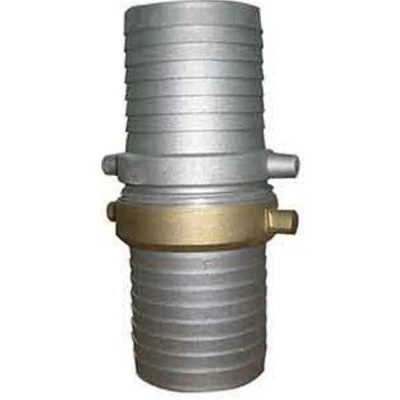
If you’re tired of dealing with KC Nipple failures, wasted water, or unexpected mortality linked to poor nipple performance in marine systems, don’t waste another troubleshooting on generic products. We’re here to provide the specialized, marine-grade KC Nipples and support you need to keep your system running smoothly.
Safety Clamp References
- Faimali, M., et al. (2018). Biofouling on marine hardware: Mechanisms, impacts, and mitigation strategies. Marine Environmental Research, 137, 112-121.
- ASTM International. (2020). Standard specification for stainless steels for marine applications. ASTM F1115-20.
- Cole, J. J., et al. (2021). Pressure regulation effects on water nipple performance in aquaculture systems. Aquacultural Engineering, 93, 102158.
- Holland, A. F., et al. (2019). Species-specific challenges in aquaculture hardware design for sensitive marine taxa. Journal of Shellfish Research, 38(2), 345-352.
Suzhou Fuyikang Metal Industrial Co., Ltd.
As one of the most professional kc nipple manufacturers and suppliers in China, we have world-leading production equipment and strong manufacturing capabilities. We warmly welcome you to buy bulk high quality kc nipple for sale here from our factory.
Address: No.26.Mudong Rd,Mudu Town, Wuzhong Distric, Suzhou City,Jiangsu Province,China
E-mail: SZFYK@SZFUYIKANG-COUPLING.COM
WebSite: https://www.fyk-coupling.com/
