Hey everyone, let’s cut to the chase – if you’re an automotive or EV stamping parts supplier like me, energy bills aren’t just a line item on the spreadsheet, they’re make-or-break for your profit margins. A few years back, my team was throwing away so more energy we were basically lighting money on fire while our stamping presses sat there humming like idle lawnmowers. Fast forward to today, we’ve cut our energy use by 28% without jacking up part quality or slowing down production. If you’re stuck in the same energy rut, here’s the no-BS, stuff-that-actually-works stuff we tested and implemented. Automotive & EV Stamping Parts
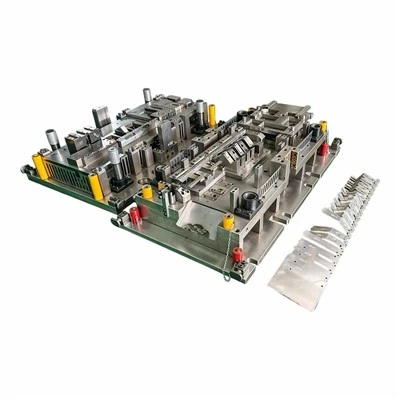
First up: your stamping presses. Let’s be real, most old-school hydraulic presses were built for 1990s gas cars, not EVs, and they’re energy hogs. We had a 20-year-old hydraulic press that ran at full speed even when we were stamping thin aluminum for EV battery trays – total waste. The fix? We swapped two of our biggest underperforming hydraulic presses for servo-electric models. I know, I know, servo presses cost more upfront, but here’s the math: our old hydraulic press used 12 kWh per hour just sitting idle between runs. The servo press? It uses barely 1 kWh when it’s on standby. During production, it’s 30-40% more efficient at forming parts, so we cycle faster – that means more parts per hour, less time the press is running at partial capacity. For us, that $45k investment per press paid for itself in 18 months on energy savings alone. Pro tip: if you can’t swing a full press swap right now, add variable frequency drives (VFDs) to your existing motors. We retrofitted three older presses with VFDs – they adjust motor speed based on actual demand, not a one-size-fits-all setting – and cut their energy use by 22% without any downtime.
Next: the stamping material itself. We used to buy aluminum coil that was stored outside overnight. Come winter, that cold aluminum meant our presses had to work way harder to form it, because cold metal is stiffer and requires more force. Last year, we added a 10×10 heated coil storage room for all EV-specific materials (aluminum, advanced high-strength steel) and set it to 65 degrees Fahrenheit. The payoff? We reduced press force requirements by 15-20% for those parts, which translates directly to less energy used. Also, we stopped cutting corners on coil quality – we used to buy cheaper, inconsistent coils that had to be scraped or re-stamped, wasting 8% of material and the energy that went into processing it the first time. Now we work with suppliers who deliver consistent gauge and temper, so our reject rate is down to 2% – that’s less energy spent on scrap handling and re-running parts. Oh, and for steel parts, we switched to pre-lubricated coil instead of applying our own stamping oil manually. The pre-lube is thinner, so we don’t have to run press motors as hard to form parts, and it eliminated the waste from over-applying oil. Win-win.
Then there’s air compressors – the silent energy killer no one talks about. We had five air compressors running 24/7, even on weekends when production was shut down for maintenance. We thought we needed all that extra air for blow-off systems and tool cleaning, but a third-party audit (worth every $500) showed we were wasting 35% of compressed air on tiny leaks. We fixed every leak we could find – some were so small you could barely hear them, but they added up to 120 kWh a day wasted. We also installed a smart air management system that shuts down compressors when demand is low, and only runs the most efficient compressor, not all of them, during peak times. After that upgrade, our air compressor energy use dropped by 40% in three months. Another thing: we stopped using compressed air for general cleaning – we switched to battery-powered blowers, which use 90% less energy than air compressors for light cleaning tasks.
HVAC and facility energy are another big one, especially if you’re running a plant with tons of machines that generate heat. We used to crank the AC in the summer to cool the press floors, but the presses themselves were already dumping enough heat to keep the floor at a comfy 72 degrees. We installed heat recovery units that pull the excess heat from the presses and use it to warm the loading docks and office spaces in winter – no more heating empty docks with natural gas. Also, we replaced every incandescent and fluorescent light in the plant with LED bulbs, and added motion sensors in hallways, bathrooms, and storage areas. We used to leave 20% of the plant’s lights on all night just because no one thought to turn them off. Now, lights only turn on when someone’s there, and LEDs use 75% less energy than old bulbs. That alone cut our facility lighting bill by $12k a year. We even installed solar panels on the roof – 120 panels, covers about 40% of our electricity needs during the day, and we sell excess back to the grid. Sure, it took two years to install, but now we’re producing clean energy while stamping parts for EVs – that’s a double win for our bottom line and the planet, which matters more and more for our clients who want sustainable suppliers.
Wait, let’s talk about tooling and maintenance, because bad tools waste energy too. We used to grind and polish stamping dies once a quarter, but if dies are dull, the press has to apply more force to form parts, wasting energy. Now we do monthly die inspections and touch-ups – it takes 20 minutes less time per die, but the energy savings from sharper dies add up. We also use die coatings that reduce friction between the die and the metal, so less force is needed during stamping. That small change cut our press energy use by another 8% last year. Also, predictive maintenance instead of reactive – we used to wait for a press motor to break before fixing it, which would run inefficiently for months. Now we use vibration sensors to monitor motors and pumps, so we fix small issues before they cause big energy waste. That’s saved us from hundreds of dollars in energy bills from inefficient motors.
Let’s be real, none of this works if your team doesn’t buy in. We started a “Waste Watchers” program a year ago – every employee on the floor gets a $50 gift card if they spot an energy waste that actually saves us over $100 a month. The first month, a machine operator noticed that a conveyor belt was running 24/7 even when no parts were on it – fixing that saved 80 kWh a day, and he got a gift card. We also hold weekly 10-minute huddles where we talk about one energy-saving tip, like turning off idle tools or closing compressed air lines when shifting production runs. It’s small, but it’s created a culture where everyone’s looking out for energy waste, not just the management team.
Now, before you go thinking, “This is too expensive or too time-consuming,” let me throw out numbers: we spent about $120k total on all these upgrades (servo press, VFDs, solar panels, heat recovery, air leak fixes) over two years, and our energy bills dropped by $18k a month, so that’s a payoff of less than 7 months. And we’re not sacrificing quality – in fact, our EV battery tray parts are more consistent because servo presses have tighter tolerance control, which means fewer rejects, which saves even more energy.

If you’re an automotive or EV stamping parts supplier still dealing with sky-high energy costs, you don’t have to go it alone. We’ve been through the pain points, tested the wrong fixes, and found what sticks. If you want to chat about where to start with your own plant, whether it’s retrofitting presses, fixing air leaks, or getting the right tooling, reach out – we’re always happy to share what we’ve learned and work with other suppliers to cut energy waste together.
Custom Stamping Die References
- Department of Energy. (2022). Energy Efficiency Opportunities for Metal Stamping Operations. U.S. Department of Energy, Office of Energy Efficiency and Renewable Energy.
- Society of Manufacturing Engineers. (2023). Sustainable Stamping: Best Practices for Reducing Energy and Material Waste. SME.
- International Energy Agency. (2021). The Role of Manufacturing Energy Efficiency in Automotive and EV Production. IEA Publishing.
- Stamping Industry Association. (2022). Servo Press Technology: Energy Savings and Productivity Impacts. Stamping Industry Association.
Dongguan Changdong Tool & Die Co., Ltd.
With abundant experience, we are one of the most reliable automotive & ev stamping parts manufacturers and suppliers in China. Please feel free to buy advanced automotive & ev stamping parts made in China here from our factory. Good service and quality products are available.
Address: No. 56-B, Fumin South Road, Dalang Town, Dongguan City, Guangdong Province, China
E-mail: sales@stamping-die.com
WebSite: https://www.metalstampingdie.com/
