If you’ve ever walked into a machine shop and seen guys staring at two different machines humming away, one spitting out small metal parts every few seconds and another waiting for a operator to load a bigger chunk of raw material, you’ve probably stumbled on bar-fed vs chuck-fed automatic lathes. And let me be real—when I started selling these bad boys 12 years ago, I mixed ‘em up so bad I once quoted a bar lathe for a chuck job and ended up with a super awkward call from a customer who thought I’d lost my mind. Oops. That’s why today, I’m breaking this down like I’d ramble to a buddy over a coffee—no fancy engineering jargon that’ll make your eyes glaze over, just the real differences that actually matter for your shop, no matter if you’re making tiny screws or big machine parts. Automatic Lathe

First off, let’s get the most basic definition out the way, but keep it real. What even is an automatic lathe, anyway? It’s basically a robot lathe that does all the heavy cutting, drilling, turning, whatever, without you hanging around yanking levers every 10 seconds. Automatic lathes are a game-changer for shops that crank out parts all day, every day—way faster than manual lathes, way less error-prone when you program ‘em right.
Now, the first big difference: how they feed raw material into the machine. That’s where the whole bar vs chuck thing comes in. A bar-fed automatic lathe, like the name says, uses long, straight bars of raw material—usually metal, sometimes plastic or even brass for plumbing parts—like 8, 12, even 20 feet long. The bar sticks out the back of the machine, slides through a little hole in the main spindle, and as soon as the machine cuts one part off the end, it just pulls the bar forward a tiny bit to feed another section. No stopping for raw material, no manually clamping a new chunk, nothing. It’s like a conveyor belt for metal.
Chuck-fed lathes? They work with individual chunks of material—usually round, square, or hex bars that are only a few inches to a couple feet long, or even weird shaped blocks for specialty parts. The “chuck” is that big, metal claw on the end of the spindle that grabs the material, squeezes it tight, and holds it while the cutting tools chew away. After you finish a part, you have to open the chuck, yank out the leftover scrap, load a whole new chunk, clamp it back, and hit go. Way more hands-on between parts.
But wait—don’t make the mistake of thinking bar-fed is only for tiny parts. Yeah, you’ll see ‘em making those 1mm diameter screws for eyeglasses or phone internals, but we sold a bar-fed lathe last year to a customer making 6-inch aluminum pins for wind turbine bearings, running 10-foot bars through it. The key here is bar-fed’s max material diameter: most standard bar lathes handle anywhere from 1/8 of an inch up to like 3 inches, and some specialty ones go bigger, but even then, the material’s a long, continuous bar. Chuck-fed? It can handle way bigger stuff—we’re talking 2 feet wide, 4 feet long, solid steel blocks for heavy equipment parts. That’s impossible to feed through a bar lathe, trust me. I once tried to shove a 4-inch bar through a bar lathe and bent the feed tube so bad I had to replace the whole thing. Customer laughed for weeks, though. Worth it.
Next up, production speed. This is where bar-fed lathes absolutely dominate. Because they don’t stop to load material—they can run 24/7 if you want, as long as you’ve got enough bar stock. A typical bar lathe can pump out hundreds or even thousands of identical parts a day, no sweat. The only time you stop is when the bar runs out, which for a 12-foot bar making tiny parts is like every hour or two, max.
Chuck-fed lathes? Speed is lower, but it’s not all bad. The time you spend loading and unloading material (called “cycle time” in the biz) adds up, especially for small parts. But for big, bulky parts, the bar lathe’s continuous feed is irrelevant—you can’t even get that big a chunk through it. Also, chuck-fed is way better for one-offs or small batches, right? If a customer needs 50 big steel brackets for a custom fence, why set up a bar lathe and buy 50 feet of bar when you can just load one chunk and be done in an hour? That’s where chuck-fed shines.
Speaking of setup and flexibility—this is another huge difference. Bar-fed lathes take longer to program and set up, because you’re running a whole bar, and if you mess up the program, you could waste an entire 12-foot bar of material. I’ve seen customers set up a bar lathe at 8 a.m. and not run a test part till 11, just to make sure the feed is timed right, the cut depth is spot on, everything’s aligned. But once it’s set up? It runs like a dream, no messing with it.
Chuck-fed lathes are way faster to switch over for new parts. If you get an order for 100 small brackets one day and 200 big flanges the next, you just clamp a new chuck, tweak a few numbers in the program, and go. No need to mess with feeding a whole bar, no risk of wasting a 10-foot bar of aluminum. That’s a big win for shops that do a lot of custom or short-run work, not just mass production.
Material waste? Let’s talk money, ‘cause that’s what this is all about for most shops. Bar-fed lathes have almost zero waste. The only scrap you get is the tiny little nub left when the bar runs out, like an inch or two. That’s it. Because you’re cutting the part directly off the end of the bar, so the only scrap is the last little bit you can’t reach.
Chuck-fed? Way more scrap. Every time you load a new chunk, you’ve got to leave a little extra material sticking out of the chuck so the cutting tools can get to it—usually an inch or so. Plus, if you have a leftover chunk that’s too small to use for another part, that’s scrap, too. For example, if you load a 6-inch bar to make a 2-inch part, you’ve got a 4-inch scrap chunk left that’s useless for anything else. Multiply that over 100 parts, and you’re throwing away a lot more metal. But again—you can’t use bar-fed for big parts, so you gotta live with that scrap.
Wait, what about accuracy and consistency? That’s make or break for parts that have to fit together, like engine parts or medical devices. Bar-fed lathes have super tight tolerances, ‘cause the bar is constantly feeding through the spindle with the same pressure every time. No variation from loading different chunks, no tiny gaps between the chuck and the material. We’ve had customers using bar lathes make parts for pacemakers that have to be within 0.001 inches—way too precise for chuck-fed, unless you’re using a super expensive specialty chuck.
Chuck-fed can get accurate too, but it’s trickier. Every time you load a new chunk, you might have a tiny little shift in how it’s clamped, which can lead to a slightly different part. For high-volume parts that need to be identical, bar-fed is the clear winner. But if you’re making a custom part that doesn’t need that ultra-tight tolerance, chuck-fed works just fine.
Now, who’s using which? Let’s name some real-world examples, ‘cause this stuff matters. Bar-fed lathes are everywhere in the automotive and electronics industries. Think tiny spark plugs, smartphone screws, engine valves—parts that you need thousands of identical, small, precise parts. We sold three bar lathes to a automotive parts maker last year, and they told me it cut their production time for brake caliper pins by 40%. That’s not nothing.
Chuck-fed lathes are more common in machine shops that do custom work, construction equipment, or aerospace. If you need a big, one-of-a-kind bracket for a plane, or a big gear for a mining machine, chuck-fed is the only way. Last month, I helped a shop load a 3-foot steel block into a chuck lathe to make a gear for a bulldozer—would’ve been impossible to feed that through a bar lathe.
But wait—there’s a middle ground, right? Sometimes shops mix both. We had a customer that does both small screws and big tractor parts—they have one bar lathe for the small stuff and two chuck lathes for the big stuff. Makes total sense, no need to get rid of either, just use ‘em for what they’re best at.
Mistakes I see all the time from new shop owners: buying a bar lathe because everyone says it’s faster, then realizing they only get 50 orders a month, so they’re paying for a machine that sits half the time. Or buying a chuck lathe to make 10,000 small parts, and wasting thousands in scrap ‘cause they didn’t go with bar-fed. Trust me, I’ve been there. That’s why it’s so important to figure out your production volume, part size, and part type before you pull the trigger.
So, to wrap this up—no fancy terms, just bullet points in my head, basically. Bar-fed automatic lathes: long continuous bar stock, fast high-volume runs, tiny parts almost always, minimal waste, tight accuracy, set up takes time but runs nonstop. Chuck-fed: individual chunks of material, slower runs for small batches or big parts, bigger parts, more waste, flexible for custom jobs, quick to switch between parts.
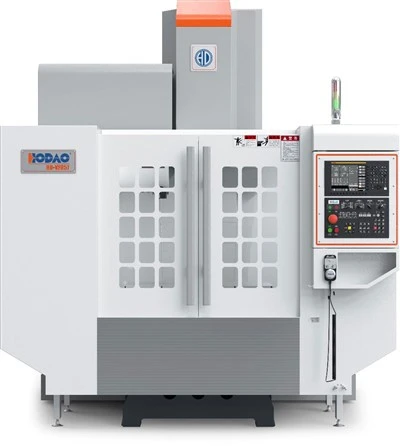
If you’re still stuck and don’t know which one is right for your shop, or you need to upgrade your current lathes and want to talk specs, give us a holler. We’ve been selling automatic lathes for over a decade, and we’ve helped everything from small 2-man shops to big automotive factories pick the right machines for their needs. No pushy sales stuff, just real advice based on what works and what doesn’t.
Engraving and Milling Machine References:
- American Machine Tool Distributors’ Association. (2022). Automatic Lathe Technology and Application Guide.
- Machining Science and Engineering Journal. (2021). A Comparative Analysis of Bar-Fed vs Chuck-Fed Lathe Production Efficiency.
- Modern Machine Shop. (2023). Shop Floor Case Studies: Lathe Selection for Mixed Production Runs.
Taizhou Qiyang Trading Co., Ltd.
As one of the most professional automatic lathe manufacturers and suppliers in China, we’re featured by quality products and good price. Please rest assured to buy bulk automatic lathe for sale here and get quotation from our factory. Customized orders are welcome.
Address: Zhenhai Village, Binhai Town, Wenling City, Taizhou City, Zhejiang Province
E-mail: qycncmachine@outlook.com
WebSite: https://www.qycncmachine.com/
