Hey everyone, I’m Jake, part of the team at an oil depot vapor recovery equipment supplier – the kind of gear that keeps those smelly, volatile fumes from gas, diesel, and jet fuel getting released into the air at storage depots, loading racks, and fuel terminals. A question pops up all the time, from small depot managers to big industry ops: “Do these vapor recovery systems (VRS) actually create any waste products?” Let’s cut through the jargon, talk real shop talk, and get this straight – no stuffy technical manuals here. Oil Depot Vapor Recovery Equipment
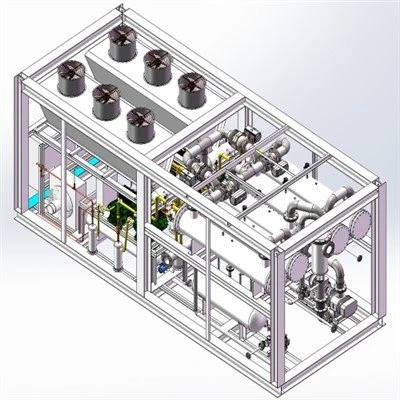
First, let’s remember what vapor recovery systems do in a nutshell. When you load gas into a tanker truck, for example, the liquid pushes fumes out of the storage tank – those fumes are mostly volatile organic compounds (VOCs) like benzene, plus some heavier hydrocarbons. A VRS captures those fumes instead of letting them vent into the atmosphere, then processes them to turn that fume back into liquid fuel we can use, or burn it for energy. That’s the win, no question. But nothing industrial is 100% perfect, right? So yeah, they do make small amounts of waste – the key is what kind, how much, and whether it’s a problem.
Let’s start with the most common waste stream from VRS we sell at my company: spent activated carbon. A lot of our vapor recovery setups use carbon adsorption first – that’s where the fumes get pulled through a bed of porous carbon granules, which grab onto the VOCs like a sponge. After a few weeks or months, that carbon gets saturated – it can’t hold any more fumes, so it’s “spent.” That spent carbon is technically waste, but it’s not hazardous? Wait, no – hold up, depends on what fumes it picked up. If it’s from gasoline, yeah, spent carbon is mostly organic, but if it’s handling fumes from crude oil or some heavy distillates, it might have trace metals or toxic compounds. But here’s the thing: most depots don’t just throw that carbon away. They regenerate it – heat it up in an oxygen-free chamber to burn off the captured fumes, so the carbon is good as new again. The waste from that regeneration is just the tiny ash left over from the carbon itself, and any trace contaminants that couldn’t be burned off. That’s super minimal – like, a few pounds a month for a medium-sized depot, not truckloads.
Next, there’s the condensed liquid waste. When we cool down captured fumes, some of the hydrocarbons turn back into liquid. That liquid is usually just fuel that got recovered – you can put it right back into the storage tank and sell it, so that’s not waste at all. But every now and then, there’s a tiny bit of water that gets mixed in with that condensed liquid. How? Fumes can have moisture from the air or from the fuel storage process. So you need a separator to pull that water out. That separated water is the only liquid waste most VRS generate, and it’s mostly just water with a tiny bit of dissolved hydrocarbons. Again, most depots don’t dump this down the drain – they treat it on-site, or send it to a facility that can remove the hydrocarbons safely. We recommend our clients have a small oil-water separator hook-up for exactly this, so that waste water isn’t a headache.
Then there’s the thermal oxidation waste, for the VRS that use that method instead of carbon. Some setups burn the captured fumes at super high temps (like 1,400 degrees F or more) to turn them into CO2 and water vapor. That’s way cleaner than venting the fumes, but the process itself produces a little solid waste – ash from any additives in the fuel, or trace minerals that were in the fumes that didn’t burn up. Again, it’s negligible for most depots – less than 10 pounds a year for a standard tank setup. We design our thermal oxidizers with stainless steel liners to minimize that ash buildup, so our clients barely have to mess with it.
Wait, but let’s bust a common myth here. A lot of people think vapor recovery systems make a ton of toxic waste, like industrial sludge or hazardous waste that needs special disposal. From what we see working with depots all over the US, that’s not the case. The only time we’ve seen hazardous waste from a VRS is when a client doesn’t maintain their system right. For example, if they skip cleaning the carbon bed for too long, the saturated carbon might start leaching VOCs, but that’s preventable with routine checks. We sell maintenance contracts too – part of what our team does is help depots keep their VRS running so waste is at rock bottom.
Let me give you a real example. Last year, we worked with a small oil depot in Ohio that was using a cheap, old vapor recovery setup they bought online a few years back. They were having issues with excess waste, so they reached out to us. Turned out, their old system didn’t have a proper separator for that condensed water, so they were dumping water with too much hydrocarbon in it down the municipal sewer – they got hit with a $2,000 fine and had to clean up the mess. We installed our standard VRS with a 3-stage oil-water separator and a spent carbon regeneration hook-up. Now they only generate like 5 gallons of wastewater a month, which they send to a local treatment plant that’s set up for that, and their spent carbon is regenerated on-site, so they don’t have to pay to haul it away. Their waste costs went from $1,500 a month to less than $100. That’s the kind of win we talk about.
Another point: the waste from VRS is way less than what gets released if there’s no vapor recovery. Think about it – if you don’t have a VRS, all those fumes go into the air, which is a whole other problem (smog, climate stuff, benzene exposure for workers). The tiny waste we’re talking about is a tiny trade-off for not releasing hundreds of gallons of VOCs a month. That’s why EPA and OSHA regulations require vapor recovery systems at most oil depots now – the environmental and safety benefits way outweigh the small waste generated.
Wait, let’s also address the equipment side. When we sell a vapor recovery system, it’s not just the hardware – we include guidance on handling and disposing of any waste it produces, so our clients don’t get stuck figuring it out on their own. For example, we tell them how often to regenerate carbon, how to test that separated wastewater, and where to take that ash from the thermal oxidizer. We even connect them to local waste services that specialize in small-volume industrial waste, so they don’t have to hunt around for a good provider.
What about end-of-life equipment? When a VRS is 10 or 15 years old and needs replaced, the old parts – like steel tanks, carbon beds, fans – those are recyclable, right? The steel goes to scrap yards, the carbon (if it’s not too saturated) can be reused or regenerated, so there’s almost no waste from replacing a system. We take back our old systems for recycling too, as part of our take-back program – that’s something we started a few years ago because we didn’t want old equipment ending up in landfills.

Let’s wrap this up. Vapor recovery systems do produce small amounts of waste – mostly spent carbon, tiny volumes of contaminated wastewater, and a little ash from thermal oxidation. But it’s not the massive, hazardous waste some people make it out to be. It’s minimal, manageable, and way better than the alternative of venting VOCs into the air. The key is working with a supplier who designs systems to minimize that waste, and who gives you the know-how to handle whatever small waste you do generate.
Terminal Vapor Recovery Equipment If you’re an oil depot manager, fuel terminal operator, or anyone else looking to upgrade or install a vapor recovery system, and you want to talk about how to keep waste low and costs even lower, don’t hesitate to reach out. We work with operations of all sizes, from small local depots to large national terminals, and we tailor our gear to fit your needs – no one-size-fits-all here. We’ll break down exactly what your waste streams will be, how to manage them, and get your system running smoothly so you stay compliant with environmental rules and save money on fuel recovery too.
References
- U.S. Environmental Protection Agency. (2022). Vapor Recovery Systems for Petroleum Storage and Loading Operations. EPA 420-F-22-005.
- American Petroleum Institute. (2021). Recommended Practice for Vapor Recovery System Design and Operation. API RP 1001.
- National Fire Protection Association. (2020). Standard for Storage and Handling of Petroleum Liquids. NFPA 30.
- International Association of Oil & Gas Producers. (2023). Vapor Emission Control: Waste Generation and Minimization. Report No. 655.
Shandong Kosman Environmental Technology Co., Ltd.
Shandong Kosman Environmental Technology Co., Ltd. is one of the leading manufacturers and suppliers of oil depot vapor recovery equipment in China, featured by quality products and low price. Please rest assured to buy advanced equipment made in China here and get pricelist from our factory. Customized orders are welcome.
Address: No. 5, single-story steel frame structure, Electromechanical Industrial Park, Chengwu County Economic Development Zone, Heze City, Shandong Province
E-mail: keshiman2021@126.com
WebSite: https://www.kosman-vrufactory.com/
