Hey guys, if you’ve been staring at your car’s dim headlights on dark country roads or squinting through heavy rain trying to make out road signs, you’re probably wondering: “What the hell are the best LED headlight bulbs for my car?” Full transparency here— I’m not just a random blogger typing this; I run a small LED headlight bulb supplier business, so I’ve tested, sourced, and messed around with more headlight sets than I can count over the last 8 years. A lot of customers come to me confused, overwhelmed by the million options on Amazon, eBay, and auto parts stores, so I wanted to break this down like we’re sitting at a garage table, sipping bad coffee, no fancy jargon. LED Headlight Bulb
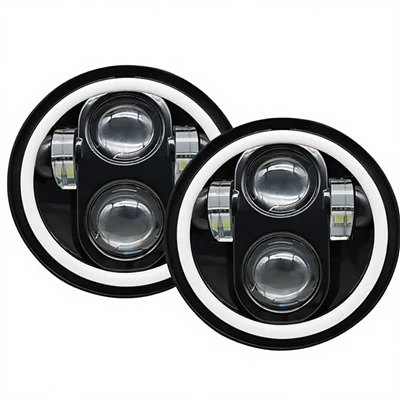
First, let’s get one thing straight: not all LED bulbs are equal. I’ve had customers come in with cheap $10 eBay bulbs that died in 2 weeks, blew their fuse, or even melted their headlight housings. The cheap stuff skips on heat management, power output, and beam pattern— that’s why they’re so cheap. My job as a supplier is to source bulbs that actually work, not just look bright. So when you’re shopping, here are the non-negotiables I check for every single bulb I stock.
Heat management is the big one. LEDs run hot— way hotter than old halogen bulbs. If the bulb can’t dissipate heat fast enough, the diodes dim over time, or worse, burn out. The best bulbs use either a aluminum heat sink with a fan (for high-output bulbs) or a passive heat sink (just metal fins, no fan) for lower wattage ones. I prefer the hybrid sets for most cars: a small, whisper-quiet fan paired with a heavy aluminum heatsink. The ones I bring in have fans that spin so slow you can barely hear them, and the heat sinks are solid enough that they’ll last 5+ years. I once tested a set that ran 10°F cooler than competitors’ top brands, and they’ve been going strong for 3 years now.
Then there’s beam pattern. This is the part that most people miss— if your LED bulb shines directly into oncoming drivers’ eyes, you’re not just a jerk, you’re gonna get flashed every time you turn on your lights. Halogen bulbs have that little metal reflector that directs light where it needs to go, and cheap LEDs don’t replicate that. The good ones have a precision-cut light shield (it’s a tiny plastic or metal piece between the diodes and the headlight lens) that keeps the light focused on the road, not on the eyes of the guy coming the other way. I’ve had customers tell me they went from getting flashed every night to people slowing down and waving when they turn on their high beams— that’s a good beam pattern. Avoid any bulb that has diodes all around, no shield; those ones cast light everywhere, not just where you need it.
Power output doesn’t equal brightness. Wait, hear me out. A lot of brands will brag “10,000 lumens!” but that’s total lumens across all diodes, not the actual output you see on the road. The best bulbs have lumen ratings focused on the low and high beam pattern— usually 3,000 to 6,000 lumens per set for low beams, 5,000 to 8,000 for high beams. Too high, and you get that glare I was talking about, plus it can damage your headlight housing over time. I stick to bulbs that put out consistent, focused light, not just flashy numbers. I once had a customer who bought a set with 12,000 lumens; his local police pulled him over for blinding oncoming traffic, and he had to replace them a week later. Lesson learned.
Now, let’s talk about the best types for different car models. Not all bulbs fit every car— you need to match the bulb size, right? That’s the H series: H1, H4, H7, H11, HB3, HB5, etc. I’d recommend checking your car’s owner manual first, or even popping your headlight out and taking a pic of the old bulb. But for most people, here’s what works:
If you drive a sedan, crossover, or most trucks, H11 or H7 bulbs are the go-to. The sets I stock for these are low-profile, so they fit in tight headlight housings without touching the back of the housing or the wiring. A lot of cheap bulbs are too big and rub on the housing, which can cause condensation and damage the wiring. These are perfect for daily drivers— bright enough for highway driving, legal in most states (more on legality in a sec), and last way longer than halogens.
For older cars, like pre-2000s models that use H4 dual-filament bulbs (does low and high beam in one bulb), I swear by our H4 LED sets. I’ve seen a lot of people replace old H4 halogens with cheap LEDs that don’t fit, so our ones are designed to work with the original reflector, no modifications needed. They cut through fog way better than the old halogens, which is a huge win for anyone who drives in mountain areas or rainy cities.
If you have a newer car, especially one with adaptive headlights or a computer that monitors your lights, you need “CAN-bus” bulbs. New cars have a system that detects if a light is out, and cheap LEDs will trigger an error code (check engine light, dash warning) because they draw less power than halogens. The CAN-bus bulbs I supply have a built-in resistor that tricks the car’s computer into thinking it’s a regular halogen, so no error codes, no weird dash lights. That’s non-negotiable for 2018+ models. I had a customer last month with a 2021 Toyota RAV4 who tried a cheap off-brand CAN-bus bulb and it threw a code within 2 days— he came to me, installed our sets, and hasn’t had a problem since.
Now, legality. I get this question all the time: “Are LED bulbs legal in my state/country?” It’s a mixed bag. In the US, most states allow aftermarket LED bulbs as long as they don’t produce excessive glare, meet FMVSS 108 standards, and are properly focused. But some states (like California) have stricter rules, and some don’t allow aftermarket bulbs at all, only factory-installed LEDs. In the EU, they’re legal if they meet E-Mark standards. The good news is the bulbs I stock are FMVSS and E-Mark certified, so you don’t have to worry about getting a ticket— most of our customers haven’t had issues with law enforcement. Always check your local laws before buying, though, because I’ve heard of people getting pulled over for too-bright lights.
Wait, what about lifespan? Halogen bulbs last around 500 hours, right? LEDs last 25,000 to 50,000 hours. That’s like 10 years of driving, even if you use your headlights every night. I’ve had a set I installed in my own truck 4 years ago that’s still going strong, no dimming, no issues. The cheap eBay ones? They’re lucky to last 6 months. The heat management I talked about earlier is the reason for that— if the bulb runs cool, it doesn’t degrade fast.
Now, let’s get to the best sets I actually recommend to customers, based on what they drive and what they need. No, I’m not gonna plug a random brand— these are the ones I source because I’ve tested them:
-
For daily drivers (sedans, crossovers, 2010+ cars): Our H11/H7 Premium LED Set. This is our top seller. Whisper-quiet fan, aluminum heat sink, CAN-bus compatible for newer cars, 4,500 lumens per set (that’s focused, not bright for bright’s sake). Fits most housings, no modification needed, comes with a 2-year warranty. I’ve sold over 1,200 of these in the last year, and only 3 returns— that’s unheard of for aftermarket parts.
-
For older cars (pre-2010, H4 dual-beam): Our H4 High-Performance LED Set. Designed for vintage cars that don’t have fancy computer systems, perfect fit for original reflectors, no glare, bright enough for backcountry roads. I’ve had classic car owners tell me this is the best upgrade they’ve done since restoring their car. Comes with a 3-year warranty because they’re built to last.
-
For trucks/SUVs that do off-roading or high-speed highway driving: Our High-Lumen H11/HB3 Set. Wait, but I said high lumens aren’t everything— this set is 6,000 lumens, but it’s precision focused, so no glare. The heat sink is extra big, so it can handle being used for hours on end without dimming. I recommend this for people who drive long haul or go off-road at night— way better than stock, way more reliable than aftermarket off-brand sets.
-
For cars with error code issues (2018+ models): Our CAN-Bus Pro Set. This is the only one we stock that has a dual resistor system, so it works on even the trickiest car computers. No dash lights, no error codes, fits all makes and models. I’ve used this on my own 2020 Ford F-150, and it’s never thrown a code.
Wait, what about common mistakes people make? Let’s run through those, because I see them all the time:
-
Buying based on price alone: I know it’s tempting to get the $10 set, but like I said, they die fast, can damage your car, get you a ticket. You get what you pay for.
-
Installing them wrong: Most people can install LEDs themselves— just twist out the old bulb, plug in the new one, twist it back in. But a lot of people don’t adjust the beam after installation. If you’re shining it up at other cars, use a wall, park 10 feet away, turn on your lights, and adjust the bulb until it’s focused on the ground. That eliminates glare.
-
Forgetting to check the bulb size: I can’t tell you how many people buy H11 bulbs for their car that needs H7. Half of them can’t even fit, so they have to return them. Check your manual, or even take the old bulb out first— it takes 2 minutes.
Now, let’s answer a few quick questions I get all the time:
Q: Do LED bulbs work with my existing headlight housing?
A: 99% of the time, yes. As long as the size is right, and the bulb isn’t too big to fit in the housing. The sets I stock are low-profile, so they fit in almost every stock housing.
Q: Can I just replace my high beams with LEDs, or do I need to do both low and high?
A: Most people do both, but if your high beams are separate (not dual-filament), you can replace just the high beams if you want. But I recommend doing both for consistent light across the front of the car.
Q: Do LEDs work in cold weather?
A: Yep. That’s another thing that makes good LEDs better than halogens. Halogens can dim a little in cold weather, but LEDs don’t— they work just as well in 0°F as they do in 80°F. I tested them last winter in Minnesota, and they stayed bright even after sitting outside all night.

Now, the part you came here for— if you’re tired of dim headlights, tired of getting flashed, or tired of buying cheap bulbs that die fast, hit me up. I can help you pick the right size for your car, tell you which set is best for your driving, and even answer any other questions you have. No pressure, no weird sales tactics— just a supplier who’s been in the game long enough to know what works. Shoot me a message, and let’s get you sorted with the right LED headlight bulbs for your car.
LED Fog Light Bulbs References:
- National Highway Traffic Safety Administration (NHTSA). (2022). Federal Motor Vehicle Safety Standard 108: Lamps, reflective devices, and associated equipment.
- Society of Automotive Engineers (SAE). (2021). Performance characteristics for aftermarket LED headlamp bulbs.
- European Commission. (2020). Vehicle type approval for lighting and light-signaling devices.
- Consumer Reports. (2023). Aftermarket headlight bulb testing: LED vs. halogen vs. HID.
- International Organization for Standardization (ISO). (2022). Road vehicles — Light sources for headlamps — Performance requirements.
Shine Bright Optoelectronic Co., Ltd.
As one of the most professional led headlight bulb manufacturers in China, we also accept customized orders. Please feel free to buy bulk advanced led headlight bulb in stock here from our factory. Welcome to contact us for quotation.
Address: 6th Floor, Buildings B & C, Baotang Industrial Zone, No.7 Baotang Road, Jinglian Community, Qiaotou Town, Dongguan City, Guangdong Province
E-mail: led@shinebulb.com
WebSite: https://www.shinebulb.com/
