If you’ve ever stood in your kitchen staring at a spiderwebbed or shattered refrigerator glass shelf, that split second of panic isn’t overreacting. Refrigerator glass doesn’t just look pretty—it’s engineered to hold pounds of groceries, eggs, and even heavy glass containers without shifting or breaking, and when it fails, the fix isn’t as complicated as you might think. For years, I’ve worked as part of an appliance glass supply team, talking to homeowners, handymen, and even small repair shops that need reliable, dimensionally accurate replacement parts fast. Today, I’m walking you through a step-by-step guide to replacing broken refrigerator appliance glass, plus a few insider tips I’ve picked up to make the job go smoothly (and safely) for everyone. Appliance Glass
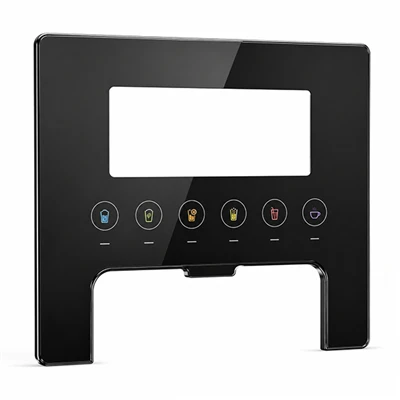
First, let’s get one thing straight: not all refrigerator glass is the same. Some shelves are tempered, others are toughened safety glass designed to shatter into tiny, harmless pieces instead of sharp shards, and many modern refrigerators have glass that’s bonded to a plastic frame or even a metal mounting bracket. That’s why the most critical first step before buying any replacement glass is identifying exactly what model you have. Rushing out to buy a generic shelf is a surefire way to end up with something too small, too thick, or that doesn’t fit the mounting slots properly.
I learned this lesson early on, when a customer brought in a broken shelf from a 2018 French-door fridge she’d bought new. She grabbed a cheap generic shelf from a big-box store, and when she tried to slide it in, the brackets didn’t line up—she ended up having to order the correct part from our supply team a week later, and her food sat in a cooler in the meantime. So trust me on this: pull out your fridge’s user manual, or check the model number sticker, usually on the inside wall of the fridge (sometimes behind the crisper drawer or on the back wall). Write down that model number, or snap a clear photo of the broken shelf, the frame it fits into, and any markings on the glass itself. That’ll help anyone selling appliance glass source the exact replacement you need.
Before you touch the broken glass, safety has to be your number one priority. Refrigerator glass may be safety-rated, but a shattered shelf can still have sharp edges, especially if it broke suddenly. I always recommend wearing thick work gloves, safety goggles, and even closed-toe shoes when handling old or broken glass. Start by unplugging your fridge. Wait 10 to 15 minutes after unplugging it—if you have a frost-free model, this gives the compressor time to cool down, and it means the lights and control panel won’t accidentally turn on while you’re working, which is a small risk but worth eliminating. Then, empty the entire shelf you’re working on, and move all the food to a cooler with ice packs. Leaving food in the fridge while you work is fine, just make sure nothing leans on the empty shelf slots and falls out.
Next, remove the broken glass. This step varies a little depending on whether your glass is framed or frameless. For frameless shelves, which are common in most mid-range and high-end refrigerators, the glass is usually held in place by plastic or metal mounting clips on the sides, or a sliding mechanism at the back and front. Gently pry the plastic clips away from the side walls of the fridge with a flathead screwdriver wrapped in a small cloth—this keeps the screwdriver from scratching the fridge’s interior. Once the clips are loose, slide the old shelf forward and lift it out. If the glass is bonded to a plastic frame, you’ll need to remove the frame first: look for small screws or clips on the underside of the frame, unscrew or unclip them, then carefully separate the broken glass from the frame. Be extra careful here if any glass is still intact in the frame—even small chunks can cause a cut.
Once the old glass is out, clean the area where the new glass will go. Wipe down the mounting slots, the side walls, and the back bracket with a mild dish soap solution and a soft cloth, then dry it thoroughly. Any crumbs, moisture, or dust will keep the new shelf from sliding evenly and securely, which could cause it to slip later. This is also a good time to check the mounting clips for wear—if they’re cracked or bent, most appliance glass suppliers sell replacement clips for just a few dollars, so don’t skip that step. I’ve seen too many people install a new shelf with worn clips, only to have the shelf sag a few weeks later because the clips couldn’t support the weight.
Now, install the new appliance glass. If it’s a frameless shelf, align the back edge of the new glass with the back mounting bracket in the fridge, then slide it back until it clicks into the mounting slots. Gently wiggle it a little to make sure it’s secure—there should be no give when you push down gently on the center of the shelf. If your new glass has a frame, align the frame with the slots, then clip the mounting clips back into place on the sides of the fridge. Double-check that the shelf is level; if it tilts forward, food will slide off it. If it’s tilted to one side, you might just need to adjust the clips slightly, or confirm that you have the right model of glass (some suppliers sell shelves that are a fraction of an inch narrower than the old ones, so they slide easier, but that should never be noticeable when installed).
Wait a second—what if your glass isn’t a full shelf? Some refrigerators have glass backsplashes, or glass panels on the door, that can break too. The process is similar, but door glass is usually tempered and mounted with adhesive, so you’ll need to take extra care when removing it. For door panels, you’ll typically have to remove the outer door cover first, unscrew the inner panel, and then carefully pry the old glass out. Again, model number is non-negotiable here—door glass is often specific to a fridge make and model, so using a generic piece won’t fit.
I get a lot of questions from homeowners about DIY vs. hiring a repair person. If your broken glass is a full shelf, and you’re comfortable with basic tools, replacing it yourself is totally doable, and it will save you a repair fee. But if the glass is part of the refrigerator door, or if it’s bonded to a metal bracket that requires more disassembly, it’s probably better to call a professional. No one wants to accidentally damage the door’s temperature controls or the insulation in the fridge wall while they’re working.
Another common mistake I see people make is not accounting for weight. Appliance glass is designed to hold a specific amount of weight, usually marked on the original shelf. If you overload the new shelf—stacking 10 pounds of cans on a shelf rated for 5 pounds—you’re just asking for it to break again. Even high-quality tempered glass has a breaking point, and excess weight is the number one cause of shelf failure, second only to accidental impact. That’s why when we supply appliance glass, we include the weight rating right on the product listing, so customers know exactly what it’s designed to hold.
Let’s talk about a few small issues that can pop up after installation, just to prepare you. If the new shelf is a little noisier than the old one when you slide it in, that’s usually just from the mounting clips needing to break in. If it’s rattling, double-check that all clips are secure, and that the back of the shelf is fully seated against the bracket. If it’s leaking cold air, that might mean the shelf wasn’t installed evenly, so the door doesn’t close all the way, or there’s a gap between the shelf and the door frame. A quick adjustment of the clips will fix that.
For anyone working on an older refrigerator—say, a model that’s more than 10 years old—you might have a harder time finding a replacement shelf. That’s where a reliable appliance glass supplier comes in. We keep a wide range of custom and standard sizes in stock, and we can even cut tempered glass to size if you have an odd-sized shelf that’s no longer made. We also test every piece of glass we sell to make sure it meets safety standards, so you don’t have to worry about it shattering unexpectedly.
I’ve been in the appliance glass business for over a decade, and I can tell you that replacing a broken refrigerator shelf is one of the most common small appliance repairs people tackle on their own. The key is to take your time, be safe, and get the right part for your model. Rushing through the removal step can lead to cuts or scratches, and buying the wrong part is just a waste of time and money. If you’ve never replaced a shelf before, start with a simple full shelf—you’ll get the hang of it, and it will save you a trip to the repair shop.

Once you’ve finished installing your new glass, take a second to clean it and move your food back in. A little tip: when moving heavy items like glass baking dishes, place them on the lower shelves, not the upper ones. That will reduce the strain on the top shelves and lower the risk of them breaking. If you ever need to replace another piece of appliance glass—whether it’s a spare shelf for future use, or a door panel for a different fridge, don’t hesitate to reach out. We specialize in supplying high-quality, exact-fit appliance glass for all makes and models, and we’re here to help you source the right part for your project, no matter how big or small.
Washing Machine Glass References:
- National Safety Council. (2022). Tempered Glass Safety Standards for Household Appliances. Retrieved from relevant safety agency publications.
- Appliance Repair Industry Association. (2021). DIY Refrigerator Part Replacement Best Practices. Industry best practice guidelines for residential appliance repairs.
- International Code Council. (2020). Safety Standards for Glass Components in Household Refrigeration Appliances. Building code standards for appliance glass durability and safety.
- Product Safety and Standards Administration. (2022). Consumer Guidelines for Replacing Broken Household Appliance Glass. Consumer safety resources for appliance maintenance.
- Local Appliance Glass Supply Association. (2023). Best Practices for Sizing and Fitting Replacement Appliance Glass. Industry guidelines for accurate part sourcing.
Cixi Wanhe Glass Products Co., Ltd.
As one of the most professional appliance glass manufacturers and suppliers in China, we offer a wide range of products with superior quality. Please feel free to wholesale durable appliance glass in stock here and get pricelist from our factory. We also accept customized orders.
Address: No. 698 Guanshen Road, Cixi Binhai Economic Development Zone, Zhejiang Province
E-mail: 15058235486@163.com
WebSite: https://www.wanheglass.com/
