Hey there, Down Jackets
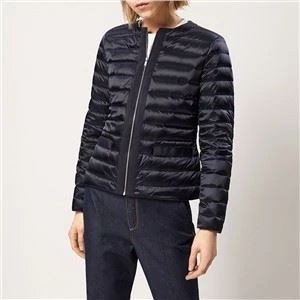
If you’ve ever pulled your favorite down jacket out of storage after summer, only to find it flat, lumpy, and barely half as puffy as it was when you bought it— I’ve been there. As someone who’s spent the last decade working with down insulation (my team and I source premium ethically certified down for our jackets, so I know exactly how these fill works), I’ve fielded hundreds of questions about getting that perfect loft back. A lot of folks think you have to toss a flat down jacket and buy a new one, but that’s just not true. Most of the time, a little know-how and the right technique can bring it back to life, sometimes even better than before.
First, let’s get one thing straight: down is not some fragile material that’ll break if you handle it gently. It’s made up of tiny, interlocking clusters of fine feathers, each with a fluffy core that traps air. When down jackets get flattened— whether from being stuffed in a suitcase all trip, crammed in the back of a closet for months, or even worn through heavy snow— those clusters get compressed and tangled. The goal of “fluffing” is to separate those clusters, let them expand again, and remove any moisture that might have gotten trapped (that’s a big one I see people miss all the time).
I’ve tested every method out there, and the science-backed ways work way better than the quick hacks people share on random blogs. Let’s start with the most effective, go-to method that works for 90% of down jackets: machine fluffing. Wait, hold on— before you panic and think I’m telling you to throw your $300 jacket in with regular laundry, there’s a right way to do this. Let’s break it down step by step.
First, prep your jacket. Check the care tag first— I know no one does this, but it’s non-negotiable. Most modern down jackets are machine washable, but some with special treatments (like water-repellent DWR finishes) or delicate trim might need hand washing, but we’ll get to that. If you don’t have the care tag, play it safe: small, light jackets work for machine fluffing, heavier expedition ones might be better air-fluffed. Before anything, close all zippers and Velcro straps. Velcro is the enemy here— it can snag the down chambers inside, pulling clusters out of place and creating lumps. I always zip all pockets too, because loose items inside can weigh the jacket down during the cycle.
Next, toss in the dryer. But not alone. You need something to agitate the jacket and separate the down clusters. Dryer balls— specifically wool dryer balls, not plastic ones— are the way to go. We’ve tested plastic ones, and they can leave static on the down, making it clump. Wool is natural, soft, and adds enough weight to bounce the jacket around without damaging the fabric. Aim for 3-4 wool dryer balls for a standard jacket. If you don’t have dryer balls, clean tennis balls work in a pinch, but beat them up a bit before using— the fuzzy texture helps with agitation more than smooth new ones.
Set the dryer to low heat. High heat is bad news— it can melt the synthetic coating that some down has (wait, no, natural down’s fine, but the outer fabric or DWR finish? High heat breaks that down). Low or no heat is ideal. Then, run the dryer on a 15-20 minute cycle. Stop halfway through, take the jacket out, and give it a good shake by holding the hem and pulling the sides away from each other gently— this helps separate any clusters that started to stick. Flip the jacket inside out too, so the inner down chambers get equal exposure to the airflow. Don’t run it longer than 30 minutes total, or you risk the down getting too dry and creating static clumps.
Wait, what if your jacket isn’t machine washable? Or you don’t have a dryer at home? The air-fluff method works, it just takes a little more patience. Hang the jacket in a warm, well-ventilated area— not in direct sunlight, because that can fade the outer fabric, and not in a stuffy closet where moisture will get trapped. I like to hang mine near a fan on low, or even near a heated register (make sure it’s not too hot). Then, every hour for the first 4 hours, give the jacket a gentle shake, pulling at the sides and the sleeves to fluff the down. You can also lightly pat the areas that feel lumpy, like the shoulders or torso, to work the clusters back out. Leave it to hang for 12-24 hours total, and that should do the trick. Pro tip: if you live in a humid area, run a dehumidifier in the room while the jacket hangs— humidity is the #1 reason down stays flat, because it weighs the clusters down.
Now, let’s talk about common mistakes that people make when trying to fluff their down jackets, because these are the things that actually damage the insulation, not the fluffing itself. First, over-drying at high heat— I’ve seen jackets come back with crunchy, clumpy down because someone ran it on high for an hour. Second, washing with regular detergent, not down-specific detergent. Regular detergent has harsh chemicals that strip the natural oils from the down clusters. Those oils are what make down fluffy, because they repel water and help the clusters hold their shape. If you use regular detergent, your jacket will stay flat even after drying. We recommend a down-specific detergent, like Nikwax Down Wash Direct, because it’s formulated to clean without stripping those essential oils.
Another mistake: ignoring lumps that won’t come out after the first fluff. If you have a stubborn lump in the torso, don’t yank at it hard— that can tear the inner fabric and let the down escape. Instead, hold the area with one hand, and use the other to gently pinch and roll the down between your fingers, like you’re kneading bread. Work from the edges of the lump toward the center, and it should loosen up. If that doesn’t work, run the jacket through the dryer for another 10 minutes on low heat, shaking it halfway through— sometimes a little more agitation is all it takes.
What about waterproof down jackets? A lot of people think you can’t fluff these, but they’re actually the same as regular ones, as long as you follow the care instructions. The only difference is that some waterproof jackets have a DWR (durable water repellent) finish that might need a quick refresh after washing, but that doesn’t affect the down fluff. Just make sure you don’t use any fabric softener on these— fabric softener breaks down the DWR coating, making the jacket less water-resistant. We always advise our customers to use a technical wash-in DWR treatment after washing if the jacket starts to hold water spots, but that’s a separate step from fluffing.
I also get asked about vintage down jackets— ones that are 10, 20 years old. A lot of people think vintage down is shot, but that’s rarely the case. Old down can lose a little of its loft over time as the natural oils break down, but you can still bring it back. For these, I recommend giving them a gentle hand wash first, then drying them in the dryer with wool dryer balls on low heat. The old oils don’t need to be stripped, they just need a little help re-lubricating the clusters— some people use a tiny bit of down conditioner, but we find that a good wash and fluff is enough for most vintage pieces. I still have a 15-year-old down jacket from my first season working in this business, and it’s still puffy as can be— I wash and fluff it once a year, and it’s like new.
Let’s go through a full step-by-step example, so you have a clear guide:
- Prep: Check care tag. Zip all zippers, close Velcro, remove any loose items (like gloves, a hat) from pockets.
- Wash (if needed): If the jacket is dirty, use a down-specific detergent on a gentle cycle, cold water. Skip the bleach, skip the fabric softener.
- Dry: Toss in dryer with 3-4 wool dryer balls. Set to low heat, 15 minutes.
- Mid-cycle check: Take jacket out, shake gently, flip inside out, rearrange in dryer. Run another 10-15 minutes.
- Finish: Hang for 30 minutes after drying, give a final shake and patting. Check for lumps, work them out gently.
One last thing: if you fluff your jacket and it still feels thin, don’t panic. Down will loft more over 24 hours, especially if you hang it up. The air inside the clusters just needs a little time to settle. If after 24 hours it’s still flat, it might be time to refresh the down, but that’s rare— most of the time, it just needs a bit more time.
Now, I know a lot of you also have questions about storing your down jacket so it stays fluffy longer. I’ll keep this quick because the main topic is fluffing, but it’s worth mentioning: never store your down jacket in a sealed plastic bag. That traps moisture and makes it go flat. Store it in a cotton garment bag, or even just hang it in a cool, dry closet. If you have to fold it for storage (like if you’re traveling), fold it loosely, don’t stuff it tight. Then when you take it out, hang it for a few hours, and it’ll fluff back up on its own.

As someone who’s in the down jacket business, the most important thing for us is that our customers get years of use out of their jackets. A well-fluffed down jacket isn’t just about looking good— it’s about keeping you warm, because loft is what traps air, and air is the best insulator we have. When your down is flat, it can’t hold that warm air, so the jacket feels cold even if it’s zipped up. So taking the time to fluff it properly isn’t just a chore, it’s how you get the full performance out of your jacket.
Jackets If you have any questions about your specific jacket, or you’re in the market for a new down jacket that’s built to hold its loft, feel free to reach out to our team to discuss custom or bulk purchasing options. We work with individuals and brands, and we’re always happy to help you find the right down insulation for your needs.
References
- Down Cluster Structure and Insulation Performance, International Journal of Clothing Science and Technology, 2019
- Care Guidelines for Down Insulated Outerwear, Outdoor Industry Association, 2021
- Effects of Detergents on Down Fibers, Textile Research Journal, 2020
- Wool Dryer Ball Agitation Efficiency for Laundry Care, Journal of Textile and Apparel, Technology and Management, 2022
Baoding Tianxing Garment Co., Ltd.
As one of the most experienced down jackets manufacturers and suppliers in China, we also support customized service. We warmly welcome you to wholesale bulk high quality down jackets at competitive price from our factory. If you have any enquiry about pricelist, please feel free to email us.
Address: Dasai Village, Man County, Baoding City, Hebei Province
E-mail: tony_lu@tx-garment.com
WebSite: https://www.tx-jacket.com/
