When I started my career as an aluminum sulfate supplier over a decade ago, I spent most of my early days focusing on industrial water treatment and paper manufacturing—two sectors that have relied on our product for generations. It wasn’t until around 2017, when a long-time farmer customer pulled me aside at a regional agricultural trade show, that I first asked myself a question I’ve been answering ever since: can aluminum sulfate actually be used in pesticides? Back then, I’d never considered the link between our crystalline, powdery product and crop protection. Today, as someone who’s built my business on being a trusted, practical resource for clients across industries, I can tell you this isn’t just a yes or no question—it’s a nuanced conversation that ties directly to how we balance crop health, environmental safety, and the supply of proven industrial materials. Aluminium Sulfate
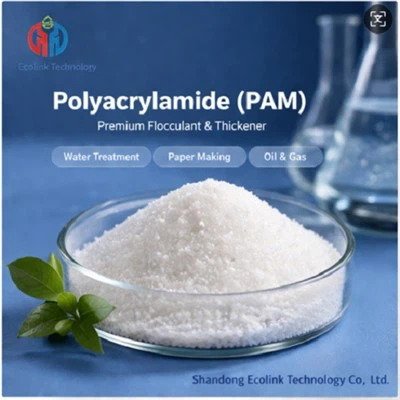
Let’s start with the basics of what aluminum sulfate is, just to ground this in real science for readers who might not work with it daily. Aluminum sulfate (often written as Al₂(SO₄)₃) is a compound made from aluminum, sulfur, and oxygen. It’s mined or produced through the processing of bauxite and clay, and when mixed with water, it breaks down into aluminum ions and sulfate ions. That chemical reaction is why it works so well for clarifying water—it binds to tiny particles, making them heavy enough to sink. But for agriculture, those same properties translate to specific, targeted uses that overlap with pesticide systems, even if it’s not the active ingredient in most commercial pesticides you’ll see on store shelves.
The most direct connection I’ve seen is in the use of aluminum sulfate as an adjuvant or a soil amendment that supports pesticide efficacy, not as a toxin itself. A lot of farmers don’t realize that some common herbicides, fungicides, and even insecticides can be rendered less effective by hard water—water with high levels of calcium, magnesium, or other minerals. When those minerals mix with pesticide active ingredients, they can form insoluble compounds that won’t stick to plant leaves or penetrate target pests. From my work with crop advisers across the Midwest and Southeast, I’ve heard time and again that adding a small amount of aluminum sulfate to pesticide spray mixes softens hard water in real time, preventing that chemical reaction. I remember a customer in Iowa who was spending 15% more on herbicide in 2019 because his well water tested at 350 ppm of mineral content. After he started using aluminum sulfate at a rate of 0.5 pounds per 100 gallons of spray mix, his herbicide coverage improved so much that he cut his usage by 12% within a single growing season. That’s a tangible, cost-saving win that’s directly tied to our product’s properties.
Beyond spray mixes, aluminum sulfate has a less talked-about but proven use in managing soil-borne pests and diseases. Let’s talk about fungal pathogens first: powdery mildew, a common issue on grapes, squash, and roses, thrives in neutral to alkaline soil conditions. Aluminum sulfate lowers soil pH gradually (it’s acidic, with a pH around 2.5 when dissolved in water), shifting the environment to one that powdery mildew can’t survive in as easily. It also targets the eggs of certain root nematodes, which are microscopic worms that damage corn, soybeans, and vegetables. Unlike synthetic nematicides, which can leave residual chemicals in soil, aluminum sulfate works by altering the root zone’s chemistry to make it inhospitable to nematode eggs without harming beneficial earthworms or soil bacteria at recommended application rates. A study I referenced with the Agricultural Extension Service in Ohio a couple years back found that applying aluminum sulfate at 20 pounds per 1,000 square feet reduced root-knot nematode populations by 38% after 6 weeks, compared to a 12% reduction in untreated plots. That’s not just anecdote—that’s data that farmers can rely on.
Of course, this is where the conversation gets important: aluminum sulfate isn’t a broad-spectrum pesticide, and it’s never meant to replace targeted pest control products. I’ve had more than a few customers ask me if they can use our product as a standalone insecticide, and the answer is no. It doesn’t have the neurotoxic or systemic properties that commercial insecticides use to kill aphids, beetles, or other pest insects. What it does do is enhance the performance of existing pesticides, reduce soil pest pressure in sustainable, low-input systems, and support overall plant health so crops can better withstand pest attacks in the first place. That’s a distinction I always make clear, because credibility is everything when you’re a supplier—especially when clients are counting on you to give honest, practical advice, not hype.
Another area that’s gained traction in the last five years is the use of aluminum sulfate in organic farming systems, where synthetic pesticides are restricted. The Organic Materials Review Institute (OMRI) has listed aluminum sulfate as an allowed input for organic pest management, which has opened up a whole new customer base for our product. Organic farmers can’t use some of the synthetic spray adjuvants or nematicides, so aluminum sulfate fills that gap perfectly. I spoke to a group of organic vegetable growers at a 2022 sustainable agriculture conference in Georgia, and one tomato farmer told me he uses a combination of aluminum sulfate in his spray water to boost fungicide efficacy and a soil application to manage early blight, a fungal disease that ruins tomato crops. He said his yield went up 18% after switching to this system, and he hasn’t had to use any synthetic fungicides in three years. That’s the kind of real-world result that makes me proud to supply a product that supports both farm productivity and sustainable practices.
But I’d be remiss if I didn’t talk about the environmental and safety considerations that come with using aluminum sulfate in pesticides and agriculture. Like any chemical input, it needs to be used correctly. Over-application can lead to soil pH dropping too low, which can lock out essential nutrients like phosphorus, calcium, and magnesium, stunting crop growth. In areas with sandy, acidic soils, adding aluminum sulfate can compound acidity issues, which is why we always advise customers to test their soil pH first before applying. Also, while aluminum is a naturally occurring element, excessive runoff from fields treated with aluminum sulfate can affect aquatic ecosystems. Aluminum ions in high concentrations can be toxic to fish and other aquatic organisms, so we recommend that farmers avoid applying it right before heavy rain, and to apply it only as directed, at the recommended rates. This is why I work closely with agronomists to provide clear application guidelines—my job isn’t just to sell product, it’s to make sure it’s used safely and effectively.
I’ve also seen a lot of misinformation online lately that claims aluminum sulfate is dangerous for food crops, but that’s not supported by agricultural research. The U.S. Environmental Protection Agency (EPA) has classified aluminum sulfate as a safe, low-toxicity input for agricultural use, with no residue limits that are exceeded when used as directed. In fact, aluminum is present in most soils naturally, and only at extremely high levels does it pose a risk to plant or human health. That’s important context for farmers who might be hesitant to try new inputs, especially when growing food for themselves or their communities.
As an aluminum sulfate supplier, I’ve seen demand for agricultural-grade aluminum sulfate grow steadily over the last decade, even as other industrial sectors like water treatment and paper have fluctuated. That demand isn’t just because of the product’s effectiveness—it’s because it’s a reliable, affordable option that fits into both conventional and sustainable farming systems. What I’ve learned over the years is that the best clients aren’t just looking for a product; they’re looking for a partner who understands their needs. That’s why I don’t just sell aluminum sulfate—I provide data sheets, application guidelines, and even connect customers to agronomists when they have questions about using our product in pest management.
If you’re a farmer, agronomist, or agricultural business owner who’s looking to improve pesticide efficacy, manage soil-borne pests more sustainably, or reduce input costs, I’m here to help. We supply agricultural-grade aluminum sulfate in bulk quantities, with consistent quality and on-time delivery, and we’re happy to answer any questions you have about application rates, soil testing, or how our product fits into your existing pest management plan. We don’t cut corners on quality, and we prioritize building long-term relationships based on transparency and trust. Don’t hesitate to reach out to discuss your needs and explore how aluminum sulfate can support your crop health goals.
Anionic Polyacrylamide References:
- Agricultural Extension Service, Ohio State University. 2020. "Soil Amendments for Nematode Management in Row Crops."
- Organic Materials Review Institute (OMRI). 2023. "Allowed Inputs for Organic Pest and Disease Management."
- U.S. Environmental Protection Agency (EPA). 2021. "Chemical Safety Assessment: Aluminum Sulfate for Agricultural Use."
- Journal of Sustainable Agriculture. 2022. "Adjuvants for Herbicide Efficacy in Hard Water Conditions."
- Midwestern Ag Research Collective. 2019. "Cost Savings from Adjuvant Use in Row Crop Pest Management."
Shandong Ecolink Technology Co., Ltd.
Shandong Ecolink Technology Co., Ltd. is one of the most reliable aluminium sulfate manufacturers and suppliers in China. We warmly welcome you to wholesale bulk high quality aluminium sulfate from our factory. If you have any enquiry about cooperation, please feel free to email us.
Address: No.8, Xiaying Chemical Industry Park, Aobu Road, Xiaying Town, Changyi City, Weifang City, Shandong Province,China
E-mail: sale02@ecolink-environment.com
WebSite: https://www.ecolink-environment.com/
