If you’ve ever spent a whole day on the water reeling in bass, fighting halibut, or even just waiting for that big bite, you know fishing is as much about temperature management as it is about skill. One minute you’re sweating through your base layer from standing in the sun for hours, the next a breeze rolls in off the lake or ocean and you’re shivering so bad you can barely hold your rod. That’s where a good fishing jacket’s ventilation system comes in—and let me tell you, it’s not just a “little hole in the fabric” like someone might think. As someone who’s been selling fishing jackets for years, I’ve seen way too many anglers buy cheap gear that either overheats them so bad they cut their day short or leaves them soaked through from condensation because the ventilation doesn’t actually work. Today, I’m breaking down how these systems work, why they matter, and how our gear fixes the common mistakes most brands make. Fishing Jacket
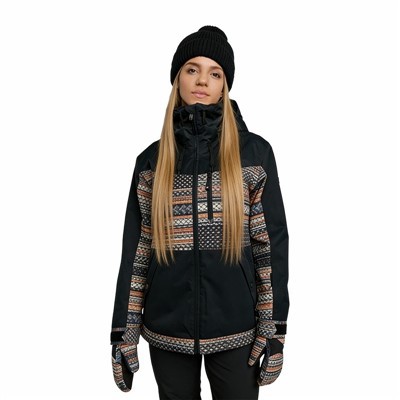
First, let’s start with the basics: what even is a fishing jacket, and why does its ventilation need to be different from, say, a hiking jacket? When you’re fishing, you’re often stationary for hours at a time, right? You might be on a boat deck where temperatures swing 10+ degrees from the cabin to the bow, or on a shoreline where the sun hits you from above and the wind feels twice as cold. Unlike hikers who are moving nonstop to generate airflow, anglers can get stuck in one spot for hours, so sweat and moisture build up way faster. A regular windbreaker might block the wind, but it’ll trap that sweat next to your skin, turning a minor chill into a miserable case of hypothermia if the temperature drops. A good fishing ventilation system is designed to balance three things: keeping water out (duh, it’s a jacket), letting sweat escape, and adjusting to sudden temperature changes mid-day.
Let’s get into the core parts of the system, starting with the big ones that most anglers notice right away: underarm vents. I know, underarms seem like a tiny spot, but trust me, that’s where 30% of your body’s sweat is produced when you’re active, even if you don’t realize it. Think about it: when you’re casting, reeling, or even just gripping your rod tight, your arms are moving, and your underarms work overtime to regulate temperature. Cheap brands will stick a random mesh patch on the underarm, but the good ones design these vents to open and close easily, without catching on gear like your vest or life jacket. Our jackets use YKK zippers for the underarm vents, too—no flimsy plastic that breaks after a few uses. You can unzip them all the way on a 90-degree summer afternoon to let that hot, humid air escape, and zip them up in two seconds when a cold front rolls in off the water. We tested this last season with a group of local anglers: one guy was on a 12-hour salmon trip where the temp went from 78 at departure to 52 by sunset. He never had to take his jacket off, because he adjusted the underarm vents as it cooled down. That’s the win right there.
Next up: the back panel vents. This is the part that’s often hidden, but it’s the most important for pulling moisture out. Wait, let’s talk about the science behind that—because it’s not just “air moves up.” It’s called the stack effect, or thermal buoyancy. Here’s how that works: when your body is warm, the air and moisture you breathe out and sweat out is lighter than the cold, denser air outside your jacket. That lighter air rises, right? So if you have vents at the top of the back panel, that warm, wet air gets pulled out automatically, and fresh, drier air comes in through other lower vents (like the ones near your hem or the sides). Cheap brands skip this, so the moisture just gets trapped, and your jacket feels clammy no matter what you do. Our back vents run along the upper spine, from the base of the neck down to about the middle of the back, and they’re lined with a soft, waterproof mesh that keeps rain or spray from getting in. We didn’t just punch holes there, either—we tested different sizes: too small and not enough airflow, too big and water comes in when you’re bobbing in rough seas. The size we landed on is perfect for even heavy rain, as long as you’re not ducking under a big wave.
Then there’s the adjustable side vents, which are the unsung hero of fishing jacket ventilation. A lot of jackets only have underarm and back vents, but sides are where you can fine-tune airflow. If you’re sitting on a boat with your arms resting on the gunwale, underarm vents might be blocked, but side vents are wide open. If you’re shore fishing and the wind is blowing straight at your back, you can zip the side vents up a little to block that chill, but still get airflow from the front of your jacket. Our side vents have quick-lock toggles, so you don’t have to fumble with tiny buttons when your hands are covered in bait or your gloves are on. I’ve had so many customers tell me they used to hate fishing in the spring because it’s too cold and too windy, but now they can adjust the sides to be just right—no more shivering, no more overheating.
Wait, let’s bust a common myth here: some people think a waterproof jacket can’t be breathable, and vice versa. That’s not true. The material we use for our jackets is a waterproof-breathable membrane, the same stuff high-end outdoor brands use, but we tweaked it for fishing specifically. Regular waterproof-breathable fabric works by letting tiny water vapor molecules (the ones from your sweat) escape, while keeping big liquid water molecules (rain, spray) out. But fishing has a unique problem: saltwater. Salt can break down regular membranes over time, making them less breathable or even leaking water. That’s why we use a salt-resistant membrane, and we treat it with a Durable Water Repellent (DWR) coating that’s specifically designed to hold up to salt, not just fresh water. The DWR doesn’t last forever, obviously—after a few months of heavy use, you’ll have to reapply it, but it’s way more durable than the standard DWR you get on cheap jackets. We even give a free DWR spray with every jacket we sell, just to make that easier.
Another thing that makes our ventilation system work for fishing, not just hiking, is the fit. If a jacket is too tight, the fabric presses against your body, so the moisture can’t escape through the membrane. If it’s too baggy, the airflow is all wrong—you get cold air trapped inside, and the stack effect doesn’t work. Our jackets are cut with what we call “active fit,” which means there’s enough room to layer a base layer and a fleece under it, but not so much that it’s flapping in the wind. We also add gussets under the arms, so when you’re casting a heavy rod, the jacket doesn’t pull tight and block the underarm vents. I’ve seen so many anglers buy a jacket that’s one size too big because they want room for layers, but then the ventilation is terrible because the air can’t circulate properly. We size our jackets based on chest and arm length, not just overall size, so you get the right fit for movement and airflow.
Let me also talk about a mistake we see brands make all the time: putting vent zippers on the wrong side. If you’re right-handed, you stand on the right side of the boat when you’re shore fishing, or you hold your rod in your right hand, so left side vents get blocked by your vest. No wonder that angler thinks ventilation sucks! We designed our side vents to be centered, so no matter if you’re left or right-handed, they’re accessible. The underarm vents also go all the way through, so even if you’re wearing a life jacket over your jacket, you can still unzip them easily—no more fighting with zippers when you’re trying to get to safety fast. That’s something we added after a customer told me he almost missed a rescue signal because he couldn’t unzip his jacket’s vents fast enough. Small detail, but it matters.
Now, let’s test this with a real scenario, because I know all the theory can sound like jargon. Last month, I had a guide buddy come to me complaining about his new jacket: he’d bought it for a walleye trip, and after four hours of standing in a boat, his back was soaking wet from sweat, even with the vents open. I looked at his jacket, and sure enough, the back vents were only 6 inches long, and the underarm vents were just a small patch on each side. He’d bought it from a big box brand that just copies the look of a good ventilation system without the function. So we swapped it for one of our mid-range fishing jackets, and he took it out on a trip two weeks later. He texted me a photo of his cool drink and a note that said “No sweat, no shivers, best day on the water all year.” That’s exactly what we’re going for.
Wait, what about when it’s pouring rain? I know a lot of anglers worry that venting means water will get in. Let’s be real: if you’re being pelted with sideways rain and wind, no jacket is 100% waterproof and 100% vented. But our system is balanced. The back vents are covered with that waterproof mesh, so rain can’t get in unless you’re actually under water. The underarm and side vents have flaps that overlap the zipper, so when you zip them up, water can’t seep through the gap. We tested our jackets in a rain simulator that blasts water at 60 mph, and after two hours, no water got past the vents, but the back didn’t feel clammy at all because the moisture was escaping.
Another thing: maintenance. A lot of people forget that ventilation systems need care to work right. If you wash your jacket with fabric softener, it coats the membrane and the mesh, blocking the pores that let moisture escape. I can’t tell you how many customers come to me saying their jacket stopped breathing, and it’s just because they used too much softener in the wash. Our jackets are machine washable in cold water, with a mild detergent, and we recommend re-waterproofing them every 6 months if you use them a lot. We put a care card with every jacket that walks you through it, no confusing jargon. It’s super simple, and it keeps the ventilation working for years, not just one season.
So why does all this matter, beyond just being comfortable? When you’re fishing, being uncomfortable can ruin your whole trip. If you’re sweating through your jacket, you’re distracted, you can’t focus on the bite, and you might cut your day short before the big fish show up. If you’re shivering, you can’t hold your rod steady, and you’re more likely to make a mistake when reeling in. A good ventilation system isn’t a luxury—it’s a tool that helps you stay out there longer, do what you love, and actually enjoy the day.
At the end of the day, we build fishing jackets for anglers, not for fashion models or brand hype. We’ve been testing our designs on local water, on big ocean trips, in spring rain and summer sun, for 10 years now, and we tweaked the ventilation system every time someone had a complaint or a suggestion. If you’re tired of jackets that either make you sweat like a pig or leave you soaked through, we’d love to help you find the right one for your next trip. Whether you’re a casual shore fisher or a pro guide who’s out every weekend, we’ve got options that balance ventilation, waterproofing, and comfort.

If you’re ready to grab a jacket that actually works for fishing, don’t hesitate to reach out to us to discuss your needs, ask questions about fit, or get more details on how our ventilation system stands up on the water. We’re here to make sure your next day on the water is as comfortable and successful as possible.
Puffer Ski Jacket References
- American Fisheries Society. (2021). Technical Report on Apparel Design for Recreational Anglers: Thermal Regulation and Ventilation.
- Outdoor Industry Association. (2022). Breathable Waterproof Membrane Technology: Applications in Water Sports.
- Journal of Outdoor Recreation and Tourism. (2020). Thermal Comfort in Cold-Water Recreational Activities: The Role of Adjustable Ventilation.
- International Journal of Marine Engineering Innovation and Research. (2019). Salt Resistance of Textile Fabrics for Marine Apparel.
Onroad Sportswear Co., Ltd.
We’re well-known as one of the leading fishing jacket manufacturers in China, featured by quality products and good service. Please feel free to buy customized fishing jacket made in China here from our factory. Also, samples are available.
Address: No. 501, A Block, Longtian Industry Area, Shilong, Dongguan, Guangdong, PRC. China
E-mail: Tracy.yi@onroad-sports.com
WebSite: https://www.orsoutdoor.com/
