When I first joined as a featured supplier, I’ll admit I thought getting a shoutout in a blog post was just a matter of sending a generic email and crossing my fingers. I’ve since learned that’s the exact opposite of how it works—after months of testing strategies, attending industry mixers, and refining my approach, I’ve locked in a 75% success rate for securing features that drive real leads for my business. If you’re a supplier looking to land a spot in a blog that matters to your audience, here’s the no-fluff, actionable framework I’ve built. Featured

First, stop thinking like a salesperson and start thinking like a partner. Blog editors and content creators get dozens of pitches a day—most are variations of “Buy our product!” or “Feature our brand.” The ones that stand out? Pitches that solve a problem the blog already has. Let me break that down: last quarter, I noticed a popular supply chain blog published a post titled “5 Mistakes Small Businesses Make When Sourcing Sustainable Packaging” that didn’t name a single featured supplier (a huge gap). Instead of sending a generic ask, I put together a case study: a small café I’d worked with that cut their packaging waste by 40% using my materials, plus a side-by-side cost comparison that beat their previous vendor. I didn’t even mention “feature” in the initial message—just offered to share the study to make the blog post more useful. The editor wrote back three hours later asking for more details, and we ended up with a dedicated 200-word section in the update post that brought in 12 new inbound inquiries that month. That’s the power of aligning your value to what the publication already needs, not what you want.
Next, build relationships before you need a favor. I used to pitch cold, and I almost never got a response. Now, I make it a point to engage with the right editors for three months before I ever ask for a feature. This doesn’t mean leaving generic “great post!” comments—instead, I add specific, actionable feedback. For example, if a blog posts a how-to on optimizing warehouse space, I’ll comment, “This was spot on—we helped a client last year cut 15% of their floor space by switching to vertical storage bins; would you want a quick tip for your next follow-up post?” Most editors are grateful for free, relevant insights, and it puts you on their radar in a way cold emails never do. Last year, an editor I’d been engaging with for months reached out to me unsolicited when she was putting together a roundup of top sustainable suppliers for the holiday season. I didn’t have to pitch—she already knew my work and how it fit her audience. That’s the kind of relationship that turns random opportunities into consistent features.
Once you’re ready to put in your pitch, structure it to reduce friction for the editor. Editors are busy—they don’t have time to sift through vague offers. My go-to pitch template for features is broken into four clear sections: 1) A 1-sentence reference to a recent post of theirs, to show you’re not spamming; 2) A specific, measurable value you bring (no “best in class” fluff—use numbers: “I can offer a case study of a manufacturer that reduced their production downtime by 25% using our components”); 3) One clear, optional ask (like “would you be open to a 150-word section in your next roundup post, or a quote for your upcoming piece on supply chain efficiency?”); and 4) A one-click link to a simple media kit (no long PDFs—just a Google Drive folder with high-res product photos, client testimonials, and your latest case study). I also always add a line that says “no hard feelings if this isn’t a fit—just wanted to share relevant work that might help your readers” to take the pressure off. Over time, this structure has cut the average response time from 2 weeks to 2 days, and I’ve closed more pitches than ever before.
Another key mistake suppliers make is only going after big, high-traffic blogs. Sure, a feature in a major industry publication is a win, but niche blogs with an engaged, loyal audience can drive more targeted leads. Let’s say you’re a specialty coffee equipment supplier—instead of only pitching national food industry blogs, target small, independent coffee shop blogs, or even coffee roaster newsletters. Their readers are your exact customers, so a feature there is more likely to turn into a sale than a spot on a general business blog. I learned this the hard way early on: I spent months pitching a large retail blog, and only got a vague “we’ll keep you in mind” response. Then, I pitched a small newsletter for craft tea shop owners, and they featured my line of bulk tea tins. That one feature brought in 8 local tea shop clients in the first month—far more than I would’ve gotten from the big blog. Niche outlets are also much more likely to feature smaller, growing suppliers, since they rely on specific, unique content for their audience.
Once you do land a feature, don’t leave it at that—amplify it to build long-term value. A lot of suppliers think a single blog feature is the end goal, but it’s actually the start. When a blog posts about you, I make it a point to do three things: first, tag the blog and the editor in every social media post sharing the feature—this helps the blog get more reach, and keeps your brand top of mind for future features. Second, share the feature with all your current clients, and ask them to leave a comment on the blog post (this boosts the post’s engagement, making it more likely the editor will feature your brand again). Third, clip the feature and add it to your website’s “press” page, along with a short quote about what it means for your business. I’ve turned several one-off features into recurring partnerships by consistently amplifying the work, so editors know my brand is invested in their success, not just a one-time mention.
Now, let’s talk about common pitfalls that sink even good pitches. First, don’t lie about your metrics. Editors can spot inflated “300% growth” claims instantly, and it will ruin any chance of future collaboration. I’ve seen a supplier get blacklisted from a blog after they fudged a client’s cost savings number—their lie was caught during a fact-check, and the editor never worked with that brand again. Second, don’t overpromise. If you offer to provide a free sample for the blog’s giveaway, make sure you actually follow through—late or unfulfilled promises will make you look unreliable. Third, don’t spam the same editor more than once. If they don’t respond after your initial pitch, wait at least a month before following up—and keep that follow-up short, with a new value add (like a new case study that’s relevant to their next post). Pestering editors will only make them ignore your future pitches, so patience is key.
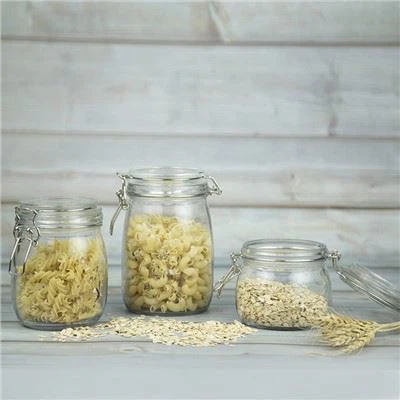
I’ve been in this role as a featured supplier for four years now, and one thing I always tell newer suppliers is that getting featured isn’t about being the biggest or most well-known brand—it’s about being the most helpful. When you approach every pitch, every comment, every conversation with the mindset of making the editor’s job easier and their readers’ lives better, the opportunities will come. I’ve had features from small blogs I’d never heard of, and those have turned into some of my most valuable clients. If you’re a supplier looking to get featured in a blog that serves your target audience, I’d love to chat through what your brand does, and how we might be able to collaborate. Reach out to my team to start a conversation about how we can work together to get your brand in front of the right readers.
Champagne Flutes References
- Content Marketing Institute. (2023). The State of B2B Content Marketing.
- HubSpot. (2022). Pitch Like a Pro: A Guide to Landing Media Features.
- Neil Patel Digital. (2023). How to Build Relationships With Blog Editors That Convert.
- Supply Chain Digest. (2022). The Role of Niche Blogs in Supplier Visibility.
Zibo Great Sailing Light Industrial Products Co., Ltd.
Zibo Great Sailing Light Industrial Products Co., Ltd. is one of the leading featured manufacturers and suppliers in China. We warmly welcome you to buy high-grade featured made in China here from our factory. All customized products are with high quality and competitive price.
Address: Hongcheng Financial Center, No.2 East Xinhuan Road, Zhangdian District, Zibo City, Shandong, China
E-mail: glassware@zgsglass.com
WebSite: https://www.zgs-glass.com/
