If you’ve ever stood in the snack aisle, staring at the seaweed cookies next to the potato chips and granola bars, you might’ve caught yourself wondering: Do these have artificial flavors? As someone who’s been making seaweed cookies and supplying them to small grocery stores and online snack shops for over a decade, I get the question all the time—and it’s a fair one. A lot of "healthy" snacks sneak in hidden additives, so it’s normal to be wary. Let’s break this down, straight from someone who’s got their hands in the dough and the seaweed harvest every single day. Seaweed Cookies
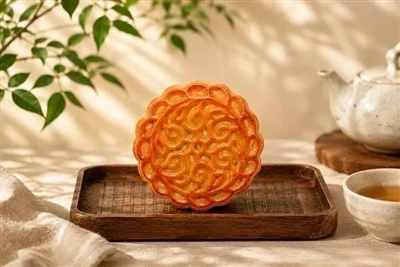
First, let’s start with what seaweed cookies are, at their core. Most recipes I use start with three simple components: whole-grain flour, a fat (usually coconut oil or unrefined sunflower oil), and dried seaweed. The seaweed isn’t just for color—we source ours from certified, sustainably farmed beds off the coast of Maine, and it’s harvested young, when the umami flavor is bright, not overly briny. That umami is key, right? It’s the "savory fifth taste" that makes seaweed snacks so addictive. But here’s the thing: umami from seaweed isn’t artificial. It’s naturally occurring, from glutamate compounds the seaweed builds as it grows. So when people ask about artificial flavors in our cookies, I always start with that baseline—we don’t add any fake stuff just to make the "seaweed taste" stronger.
Wait, but let’s clarify what counts as an artificial flavor, per the FDA. The U.S. Food and Drug Administration defines artificial flavors as substances derived from non-natural sources (usually chemical processes in a lab) that mimic a natural taste. For example, if you’ve ever had a "berry-flavored" candy that doesn’t use real fruit, that’s an artificial flavor. So when we look at our ingredient list, the only flavor components are the seaweed itself, a tiny bit of sea salt (we use flaky sea salt, mined from the same coastal waters as our harvest, not table salt), and sometimes a pinch of nutritional yeast for extra savoriness. No vanillin, no lab-made umami boosters, no synthetic anything. But I know not all brands are like that, which is why I want to be transparent about what the industry sometimes does.
A lot of large-scale seaweed cookie producers—especially those targeting kids’ snack lines—will add artificial flavors to cut costs. Dried seaweed is more expensive than, say, artificial flavoring, so some companies use a tiny amount of real seaweed (just enough to put "seaweed" on the label) and then add a lab-made flavor to make the product taste like it has more seaweed. That’s where the confusion comes in. Last year, I had a small retailer bring in a competitor’s seaweed cookie, and when I read their ingredient list, there was "artificial seaweed flavor" right after the flour. That’s a red flag. That’s not just unnecessary—it’s misleading for consumers who want a real seaweed snack.
Now, let’s talk about the difference between natural and artificial, because that’s where things get murky for a lot of people. You might see a label that says "natural seaweed flavor" and think that’s the same as real seaweed, but it’s not, technically. The FDA defines natural flavors as substances derived from plants, animals, or microbes. So a "natural seaweed flavor" could be made by extracting compounds from seaweed, concentrating them, or even fermenting them—those are still considered natural. But even then, why would a brand do that? Sometimes, the flavor of dried seaweed can be inconsistent, depending on the harvest season. A natural flavor extract is a way to make the taste uniform across batches. But for our cookies, we don’t even do that. We use whole, dried, ground seaweed, so every bite has actual seaweed, not just a flavor extract.
I test every batch of cookies myself, too, before they leave our kitchen. I’ve been tasting seaweed snacks since I was a kid—my grandma used to grow a small patch of kelp in a tub in her backyard when I was growing up in coastal Maine, so I’ve got a pretty good sense of what real seaweed tastes like. A few years back, we tried a small batch where our seaweed harvest was a little late, so the umami was milder than usual. We almost used a natural seaweed extract to boost it, but we decided against it. Instead, we adjusted the baking time—slightly longer to deepening the flavor, and added a tiny bit more flaky salt. It worked, and we didn’t have to add any extra flavors, natural or artificial. That’s the kind of choice we make every time: prioritize real ingredients over shortcuts, even if it means a little more work or a slightly higher cost.
Another angle: some people think that seaweed itself is an artificial flavor. But no—seaweed has been a food source for thousands of years. Think of nori, the dried seaweed used for sushi, or wakame in miso soup. Those are all natural, whole foods. The problem is when manufacturers take that natural food and strip out most of it, then add artificial flavors to make it taste like something it’s not. For example, some seaweed cookies are 90% refined flour and only 10% seaweed, and the seaweed flavor is so faint that they need to add lab-made stuff to make it noticeable. That’s not a seaweed cookie—it’s a flavored cookie with a splash of seaweed. Our cookies are 25% seaweed by weight, which is why the flavor is bold enough without any additives.
I also get questions about other ingredients people might mistake for artificial flavors. For example, a lot of cookies use leavening agents like baking soda or baking powder, but those are just chemical reactions that help the cookies rise, not flavoring. We use aluminum-free baking powder, by the way—no added chemicals there. We don’t use any preservatives either, because dried seaweed has a natural long shelf life, and our cookies are made in small batches so they’re always fresh. So when you look at the ingredient label on our product, it’s short: whole wheat flour, dried Atlantic seaweed, coconut oil, flaky sea salt, nutritional yeast. That’s it. No artificial flavors, no hidden additives, no weird unpronounceable words.
Now, let’s talk about what consumers should look for when buying seaweed cookies, because not everyone has a supplier like me who’s transparent. First, check the ingredient list. If you see "artificial flavor" anywhere, that’s a sign the product might not be all seaweed. Second, look for the percentage of seaweed—preferably 20% or higher. If it’s less than that, the flavor is probably coming from additives, not the seaweed itself. Third, avoid brands that list "natural seaweed flavor" as a top ingredient. That usually means they’re using extracts instead of whole seaweed.
I’ve had a lot of customers tell me they switched to our seaweed cookies because they were tired of buying snacks that tasted "healthy" but were loaded with hidden additives. One mom from Boston told me her kid used to hate seaweed snacks until he tried ours—now he asks for them every week, because they taste like a savory, crunchy cookie, not a weird health food. That’s the reaction we want: a snack that’s good, simple, and actually has real ingredients.
Is there a place for artificial flavors in seaweed cookies? I guess if a brand is making a super cheap, mass-produced snack, maybe. But for us, it’s not worth it. Our customers trust us to make a product that’s honest, and that means being upfront about every ingredient. If we added an artificial flavor, it would be a lie to the people who’ve been with us since we started this business out of my garage five years ago. We supply to small cafes, local grocery stores, and online snack shops, and word of mouth is how we grow. If we ever cut corners on ingredients, that reputation would be gone.
Another point: seaweed has nutritional benefits, right? It’s high in iodine, fiber, and vitamins like B12. If you’re eating a seaweed cookie, you want to get those benefits, not just a cookie that tastes like seaweed. Artificial flavors don’t have any of that nutrition—they’re just chemicals that mimic taste. So even if you’re someone who’s okay with artificial flavors, you’re not getting any extra nutrition from a cookie that uses them. Our cookies, on the other hand, have roughly 15% of your daily iodine in each one, which is a big deal for people who don’t get enough iodine in their diet.
I also want to address a common myth: that all "natural" flavors are good. The FDA’s definition is broad, and some natural flavors are still highly processed. For example, a natural flavor might be made by heating seaweed at high temperatures to extract its flavor compounds, which is a more intense process than just drying and grinding it. We skip that—we use whole seaweed, so we don’t have to process it beyond the basic drying and grinding. That’s why our flavor is bright and fresh, not harsh or manufactured.
At the end of the day, the question of whether seaweed cookies have artificial flavors comes down to who makes them. As a supplier who’s hands-on with every step of the process—from harvesting the seaweed to mixing the dough to baking the cookies— I can tell you that our product doesn’t have any artificial flavors, and neither do many other small, artisanal brands. But the large, mass-produced brands often do, because they’re focused on cost and uniformity, not real ingredients.

If you’re a retailer, a café owner, or someone looking to carry a seaweed cookie that’s honest, simple, and free of artificial flavors, we’d love to work with you. Our cookies are made in small batches, using sustainably sourced seaweed, and we can customize orders to fit your needs, whether you’re a small local shop or a regional chain. We pride ourselves on being transparent—no hidden ingredients, no fake flavors, just a crunchy, savory snack that tastes like what it is: real seaweed, whole grains, and simple, natural ingredients.
Frozen Pastries References
- U.S. Food and Drug Administration. (2024). Food Labeling: Ingredients and Nutrition.
- National Oceanic and Atmospheric Administration. (2023). Atlantic Seaweed Farming and Harvesting Practices.
- Journal of Food Science. (2022). Sensory Comparison of Whole Seaweed vs. Seaweed Flavor Extracts in Snack Products.
- American Heart Association. (2021). Hidden Additives in Packaged Snacks.
- Coastal Maine Seaweed Cooperative. (2024). Sustainable Seaweed Harvesting Guidelines.
Guangdong Liangyu Food & Technology Co., Ltd.
As one of the most professional seaweed cookies manufacturers in China, we’re featured by quality products and low price. Please rest assured to wholesale customized seaweed cookies made in China here from our factory. Also, quotation is available.
Address: Room402, 4/F, Block 3, Xiong Wel industrnal Park, No.77 Wan Cheng Road, Gaoming, Foshan, Guangdong. CHINA
E-mail: sale@liangandyu.com
WebSite: https://www.liangandyu.com/
