If you’ve ever visited a landscape that relied on large, natural boulders to anchor garden beds, define a meandering path, or create a focal point by a pond, you know how transformative these stones can be. But as someone who’s spent 12 years sourcing, selling, and installing landscape boulders, I also know the quiet battle many clients face: algae growth. It’s not just an eyesore—over time, thick algae can trap moisture against the stone’s surface, leading to discoloration, slippery textures, and even gradual damage in harsh climates. As a landscape boulder supplier, I’ve seen firsthand how improper cleaning can do more harm than good, too. That’s why I want to walk you through a science-backed, gentle approach to cleaning algae off landscape boulders—one that preserves the natural texture and integrity of the stone, not just scrubbs the green away. Landscape Boulders
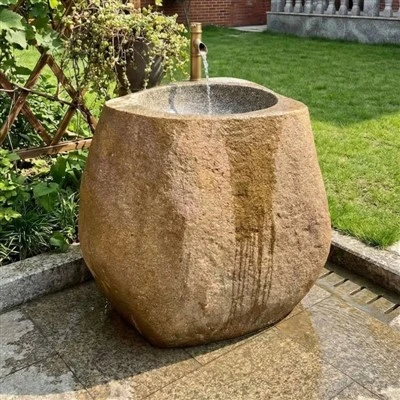
First, let’s set a realistic expectation: not all algae growth is bad. A thin, faint green patina is often a sign your boulders are integrating well with their environment, blending in instead of looking starkly artificial. The real issue is thick, slimy algae (especially filamentous types) that’s become a breeding ground for moss and debris, or clings to boulders near water features, shaded corners, or consistently moist soil. That’s the kind we’re targeting today. Before you grab a pressure washer or harsh chemicals, let’s talk about what algae is, and why cleaning matters. Algae are simple, photosynthetic organisms that thrive in warm, moist, low-light conditions—exactly the microclimates many landscape boulders end up in. When left unchecked, they can hold excess moisture against the stone, which is a problem if your boulders are made of porous types like sandstone or limestone; prolonged moisture can accelerate weathering. For the boulders I supply—each hand-picked for durability and natural character—keeping that stone intact is just as important as making them look clean.
Now, let’s break down the process, step by step, starting with the safest method for both your boulders and the surrounding plants. I always recommend starting with the gentlest approach first, because harsher methods can strip the mineral patina that makes landscape boulders look organic, not manufactured.
Step 1: Prep the area and gather your supplies. Skip the power tools here—they’re tempting, but even low-pressure washers can etch or crack certain stone types, especially if they’re porous. For most jobs, you only need basic, household items: a stiff-bristle nylon brush (not metal, which will scratch the stone’s surface), a bucket of warm water, a squirt of mild, plant-safe dish soap (look for something free of bleach, ammonia, or fragranced additives), and a soft sponge for delicate edges. If your boulder is near plants, lay down a plastic tarp around the base to catch any runoff, but leave a small gap to let beneficial microbes in the soil breathe—we don’t want to kill the good stuff along with the algae.
Step 2: Test a small, inconspicuous spot first. Every boulder is different, even among the same stone type. A sandstone boulder on a sunny slope might react differently to soap than a granite boulder in a damp shade. Pick a spot on the back or bottom of the boulder, scrub a small area with your soap solution, rinse gently, and wait 24 hours. If the stone doesn’t discolor or feel overly rough, you’re good to proceed. If it does, switch to a plain water solution or a milder, stone-safe cleaner—more on those in a minute.
Step 3: Scrub strategically, not aggressively. Start by wetting the entire boulder down with a hose (use low pressure here) to loosen any loose algae and debris. Then, dip your brush in the soapy water, and scrub in circular motions, focusing only on the thick, slimy algae patches, not the faint patina. For hard-to-reach crevices where algae likes to hide, a small, narrow brush (like an old toothbrush) works perfectly. Avoid scrubbing too hard—you’re removing the outer layer of algae, not the stone itself. Once you’ve scrubbed all the visible algae, rinse the boulder thoroughly with low-pressure water, making sure all soap residue is gone. Soap can leave a film that attracts more algae, so this step is non-negotiable.
What if plain soap and water isn’t enough for stubborn, thick algae? I’ve dealt with this too—some boulders by a backyard pond will get a dark, crusty algae layer that won’t budge with a simple scrub. That’s where a mild, stone-safe cleaner comes in, but I still never recommend anything with harsh chemicals. One option is a 50/50 mixture of white vinegar and water—vinegar’s acidity breaks down algae without damaging most natural stones. Always test this on a small spot first, though; vinegar can etch marble or limestone, so if your boulder is made of those types, skip the vinegar and opt for a baking soda paste instead. For baking soda, mix a small amount of baking soda with water to make a thick paste, spread it on the algae, let it sit for 15 minutes, then scrub and rinse. Baking soda is gentle enough for all stone types and safe for surrounding plants.
Now, let’s talk about what to avoid. This is where I see people make the biggest mistakes. First, never use bleach. Bleach is a harsh chemical that not only kills algae but also strips the natural color from stone, leaving behind faded, dull patches. It also runs off into your garden, harming beneficial insects, bacteria, and even fish if your boulders are near a pond. I’ve had clients come back to me with boulders that look splotchy after using bleach, and it’s impossible to reverse that damage. Second, skip pressure washers entirely for most landscape boulders. Even a “low-pressure” setting can exert 1,500 PSI, which is enough to etch soft stone like sandstone, crack thin edges, and wash away the natural surface texture that makes your boulders look like they belong in the landscape. I learned this the hard way early on: a client hired a pressure washer for a set of boulders I’d supplied, and they came back with chipped edges and a rough, uneven surface that cost extra to repair. Third, don’t over-clean. That thin green patina I mentioned earlier? It’s not algae—it’s a layer of mineral deposits and tiny, harmless moss spores that help your boulders blend into the environment. Removing it will make your boulders look out of place, like they were just dumped there, not part of your yard’s natural ecosystem.
Once you’ve cleaned the algae off, there are a few steps you can take to slow it from coming back. As a landscape boulder supplier, I always include a small care sheet with every boulder I deliver, and this is one of the key points. First, adjust the moisture around your boulders. Algae loves dampness, so if your boulder is in a shaded spot near a sprinkler, try redirecting the sprinkler or trimming back overhanging plants to let more sunlight reach the stone. Even a few hours of direct sunlight a day can make a big difference in slowing algae growth. Second, avoid piling mulch or soil directly against the boulder’s base. Trapped moisture between the stone and soil is a prime spot for algae and mold. Instead, leave a small gap of 2-3 inches around the boulder’s base, and keep mulch a few inches away. Third, if you have a water feature with your boulders, add a small aerator or fountain to keep the water moving. Stagnant water is a huge algae catalyst, and keeping it aerated will not only reduce algae growth but also benefit any fish or plants in the feature.

I know how frustrating it can be when a beautiful landscape boulder you invested in starts to look grimy with algae. But the good news is that with a gentle, science-backed approach, you can keep your boulders looking their best without damaging them or harming your garden. As someone who’s been in the landscape boulder business for over a decade, my goal isn’t just to sell you a stone—it’s to help you keep it looking natural and intact for years to come. If you’re in the process of choosing new boulders for your project, or you have existing boulders that need a refresh, I’d love to chat. Whether you’re looking for durable, weather-resistant boulders or tips to maintain the ones you already have, I’m here to help. Reach out to discuss your needs, and we can find the perfect boulders and a care plan that fits your landscape.
Landscape Boulders References
- American Society of Landscape Architects. "Best Practices for Maintaining Natural Stone in Landscapes." 2022.
- University of California Statewide Integrated Pest Management Program. "Algae and Moss Control in Home Landscapes." 2021.
- Natural Stone Institute. "Care and Maintenance of Natural Stone for Residential Landscapes." 2020.
- The Stone Conservancy. "Preserving Natural Stone Texture: Avoiding Common Cleaning Mistakes." 2023.
Xinglong Landscape Greening Co., Ltd.
We are one of the most professional landscape boulders manufacturers and suppliers in China, also support customized service. We warmly welcome you to wholesale bulk high quality landscape boulders in stock here from our factory. If you have any enquiry about pricelist, please feel free to email us.
Address: Xiaoluli Natural Village, Wutongshan Village, Meishan Town, Changxing County, Huzhou City, Zhejiang Province
E-mail: 18667092034@163.com
WebSite: https://www.xinglonggreen.com/
