If you’ve ever watched a dog lock eyes with a new chew toy, tail wagging so fast it’s a blur, you know how much these simple items mean to our four-legged friends. Chew toys aren’t just a way to save your favorite pair of sneakers—they’re mental stimulation, teeth cleaning, and stress relief rolled into one. But as a pet chew toys supplier who’s talked to hundreds of pet parents, one question pops up more than any other: can chew toys actually cause blockages in dogs? It’s a valid worry, too. A quick scroll through pet forums will show stories of rushed vet visits and even life-threatening intestinal blockages, all tied to toys that were supposed to be safe. Let’s break this down, no fluff, no fear-mongering—just science and real-world experience to help you make the best choice for your pup. Pet Chew Toys
First, let’s talk about how dog digestion works. Unlike cats, who are obligate carnivores with short digestive tracts built for processing meat, dogs have a longer, more flexible system that’s evolved to handle a mix of food, bones, and occasional non-food items. That adaptability is why your golden retriever can scarf down a whole sock and (usually) be fine—but it also means they can end up with something stuck when a piece of a chew toy doesn’t break down like it should. Intestinal blockages happen when a foreign object (let’s call it a “toy fragment” for this context) gets caught somewhere between the esophagus, stomach, or small intestine. For small dogs, teacup breeds, or dogs who are prone to “gulping” their toys, this risk is even higher. Even large breeds with powerful jaws aren’t immune: a Great Dane chomping too fast on a thick nylon bone could break off a piece that’s too big to pass.
Now, not all chew toys are created equal when it comes to blockage risk. Let’s start with the high-risk ones, because that’s where most accidents happen. Rawhide chews, for example, are a top culprit. A 2022 study from the Journal of Veterinary Emergency and Critical Care found that rawhide fragments made up nearly 15% of all foreign body removals in dogs that year. Why? Because rawhide doesn’t dissolve in the stomach—it swells. Even if a piece looks small when your dog grabs it, once it hits stomach acid, it can expand to twice its size, getting stuck before it ever moves through the intestines. I’ve seen pet parents tell me their 50-pound lab ate a 2-inch rawhide piece and thought it was no big deal, only to end up at the emergency vet 12 hours later with a partial blockage. Then there’s hard plastic toys, especially those with small, detachable parts. Cheaply made toys with tiny squeakers, rope knots that fray into strings, or bits of stuffing that don’t belong are easy for dogs to pull off and swallow. I once worked with a terrier owner whose pup swallowed three small squeakers from a “indestructible” toy—we helped them pick a different, squeaker-free option, and they never had a problem again.
Next, the middle ground: toys that can be safe for some dogs, but not others. Nylon bones, for example, are marketed as durable, but they’re not one-size-fits-all. A German shepherd who chews gently will gnaw on a nylon bone for weeks without breaking off chunks, but a husky with a jaw made for pulling sleds might wear it down to 1-inch pieces in a single afternoon. Those pieces are small enough to get stuck, especially in small dogs. Natural rubber toys, like those made from specific types of latex, can be good for many pups, but again, it depends on chewing style. A dog who chews aggressively might tear off bits of rubber, which can form a “bezoar” in the stomach— a hard mass of undigested material that blocks the digestive tract. The study I mentioned earlier also noted that natural rubber fragments accounted for 12% of foreign bodies, so it’s not just the cheap stuff. The key here is matching the toy to your dog’s individual habits, which is something I prioritize as a supplier.
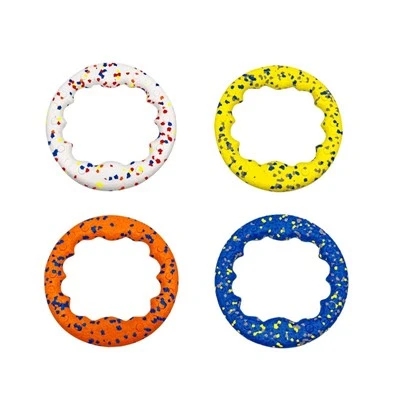
Now, the low-risk options that actually work for most dogs. Let’s talk about edible chews that are formulated to be digestible, like our beef cheek chews or sweet potato chews. These are made from single ingredients, no binders or harsh chemicals, so small pieces that pass through the digestive system break down naturally. We test every batch of these with vets to make sure they don’t swell or form sharp edges, which is a big step in reducing blockage risk. Then there’s sturdy, non-edible toys that are built to be chewed without breaking into small parts. For example, our 100% natural hemp toys—hemp is a tough, plant-based material that doesn’t splinter or fray easily, even with heavy chewing. We designed these with rounded edges so there’s no risk of sharp fragments, and they’re large enough that even small dogs can’t fit the whole toy in their mouth. I’ve had a client with a 8-pound Chihuahua who was always swallowing pieces of other toys, and our hemp small bone has been her go-to for six months—no issues, and she loves it because it’s soft enough for her tiny teeth but durable enough to last.
It’s also important to know the signs of a blockage, because catching it early can save your dog a lot of pain and a costly vet bill. The most common symptoms are vomiting (especially undigested food or foam), loss of appetite, lethargy, abdominal pain (your dog might whine when their belly is touched), and constipation or straining to poop. If your dog ate a piece of a chew toy and shows any of these signs within 24 to 72 hours, don’t wait—call your vet right away. Some people try to induce vomiting at home, which can make the blockage worse if the object is sharp, so it’s best to let a professional handle it. I’ve had pet parents tell me they waited a day because their dog seemed “fine” after eating a small piece, only to find out it was a partial blockage that required surgery— that’s a mistake we all want to avoid.
So, as a pet chew toys supplier, what do I do to help reduce blockage risk? First, we don’t sell “one size fits all” toys. Every product on our site has a clear size guide and a recommended chewing strength. For example, our large nylon bones are only for dogs over 50 pounds, and our small hemp toys are for dogs under 20 pounds. We also test all our toys for choking hazards: no small detachable parts, no fraying strings, no materials that swell in the stomach. We work with board-certified veterinary nutritionists to make sure our edible chews are formulated to be digestible, so even if a small piece is swallowed, it won’t cause a blockage. We also educate pet parents, not just sell toys—our blog (this one included!) is full of tips on how to choose the right toy for their dog, how to inspect toys regularly for wear, and what to do if their dog does chew something they shouldn’t.
Wait, let’s talk about inspecting toys— that’s a huge part of prevention that many people miss. Even the most durable chew toy will wear out over time. A rope toy that’s still new might be fine, but if it starts to fray into loose strings, it’s time to replace it. A rubber toy that has chunks missing is a choking hazard, and a rawhide that’s been chewed down to a small piece should be taken away before your dog can swallow it. I tell all my customers to check their dog’s toys once a week, or after every chewing session, for signs of damage. It’s a quick 30-second habit that can prevent a lot of trouble.
There’s also a common misconception that “indestructible” toys mean no blockage risk. The truth is, no toy is indestructible—even the toughest ones can break if your dog is a super chewer. A friend of mine has a Rottweiler who chews through nearly every toy on the market, and even the heavy-duty nylon bones last a week before he breaks off a small piece. So for dogs who are extreme chewers, we recommend rotating toys often, choosing the most durable options we have, and supervising playtime. If you can’t supervise, maybe a softer, less likely to break toy is better than a “indestructible” one that your dog can still damage.
Let’s circle back to the original question: can chew toys cause blockages in dogs? The answer is yes, but not all chew toys, and not all dogs. The risk comes from choosing the wrong toy for your dog’s size, chewing strength, and habits, or not inspecting toys for wear. The good news is that as a supplier, we’re focused on making toys that minimize that risk, while still providing the benefits your dog needs. We don’t just want to sell you a toy—we want to help you keep your dog safe and happy.
If you’re not sure which toy is right for your pup, or you want more information about how we test our products for blockage risk, we’d love to chat. Whether you’re a pet parent looking for the best chew toy for your dog, or another retailer interested in carrying our line, we’re here to help. We believe that every dog deserves a safe, fun chew toy, and every pet parent deserves peace of mind. Don’t hesitate to reach out to us to discuss your needs, ask questions, or place an order—we’re ready to work with you.
Pet Toys References
- Journal of Veterinary Emergency and Critical Care. (2022). Retrospective analysis of esophageal and gastrointestinal foreign bodies in domestic dogs: 2017–2021.
- American Animal Hospital Association. (2021). Canine Digestive Health Guidelines for Foreign Body Prevention.
- Veterinary Journal of Companion Animal Practice. (2023). Material safety in chew toys: Correlation between toy composition and gastrointestinal blockage risk in small and large breed dogs.
Yixing Baiyun Plastic Co., Ltd.
Yixing Baiyun Plastic Co., Ltd. is one of the most experienced pet chew toys manufacturers and suppliers in China, featured by quality products and low price. Welcome to buy bulk CE approved pet chew toys made in China here and get pricelist from our factory. We also accept customized orders.
Address: 66 East Hongta Street, Yixing City, Jiangsu Provicce, China
E-mail: baiyunplastic@gmail.com
WebSite: https://www.byetpu.com/
