Hey everyone, let’s cut to the chase—if you’ve ever shopped for chairs (and let’s be real, who hasn?) you’ve probably heard the term “mission-style chair back frame” tossed around. But what actually is it? And why should you, whether you’re a small café owner, an office manager, or even a home decor nerd, care? As someone who’s been in the chair back frame game for years—yep, I’m the person you call when you need solid, reliable frames that don’t bend after two uses—I’ve fielded this question a million times. So let’s break it down like we’re hanging out at a workshop, no stuffy jargon allowed. Chair Back Frame

First off, let’s get the basics right. A mission-style chair back frame isn’t just some random wood frame—its roots tie back to that iconic American Arts and Crafts movement from the late 1800s. You know, the era that hated fussy, over-decorated Victorian furniture and pushed for simple, functional pieces built to last. Think straight lines, exposed joinery, no frilly carvings, just honest craftsmanship. That’s exactly the vibe of a mission-style frame. The back is the focal point here—unlike a cushy, curved lounge chair back that’s all soft edges, mission-style backs are usually made of two (or sometimes three) thick vertical slats (those are called spindles, by the way) connected by horizontal rails at the top and bottom. The whole thing’s usually held together with mortise-and-tenon joints, not just glued or stapled. That’s the secret sauce for durability.
Wait, hold on—don’t mix it up with other similar styles, right? Like, sometimes people confuse mission-style with Shaker chairs, but Shaker’s more about minimalism and dowel joints that are super tight. Mission-style is a little bolder, those vertical slats are thicker, and there’s often a small decorative cutout or a grid-like detail (called a muntin grid) in the top rail. That’s the key identifier. So if you see a chair back that’s got that sturdy, no-nonsense look, straight lines, exposed wood joinery, that’s your mission-style frame.
Now, why does the back frame itself matter, not just the whole chair? Let’s be honest—most people sit in a chair for at least a few hours a day, whether it’s at a desk, a restaurant booth, or a dining table. The back frame is what gives the chair its shape, its support, and its personality. A bad frame? It’ll warp, squeak, and that back will start slouching forward in six months. A good mission-style frame? It’ll outlast the chair’s fabric or even the seat cushion. That’s where I come in—we don’t cut corners here. Our frames are made from solid hardwood (usually oak, sometimes walnut or cherry, depending on what you need) not particle board or MDF, which falls apart fast. The mortise-and-tenon joints are cut with precision, so they fit tight, no wiggling. That’s the mission in mission-style, right? Building something that works, not just looks good.
Let’s talk about the different parts of a mission-style back frame, because if you’re ordering these for your brand, you need to know the lingo (even if it’s casual). First, the side rails—those are the vertical pieces on the left and right that run from the top rail down to the seat frame. Then the horizontal rails: the top rail, which is the most visible, and the middle rail (if there is one) that supports the vertical slats. Oh, and the slats themselves—those are the vertical strips that people rest their backs on. For mission-style, these are usually evenly spaced, thick, and straight, not thin spindles like a Windsor chair. That extra thickness is part of what makes the frame so sturdy.
Now, what are these frames used for? Let’s name a few, because that’s what people always ask. First, dining chairs—mission-style dining sets are super popular for both homes and restaurants because they look timeless and hold up to heavy use. Then there’s office chairs—wait, yeah, you see mission-style office frames a lot now, especially for creative offices that want a warm, rustic vibe instead of that cold mesh stuff. Even outdoor chairs? As long as you use pressure-treated or weather-resistant hardwood, mission-style back frames work great for patios. We’ve supplied frames to everything from small boutique hotels to big office supply chains, so we know how versatile they are.
Here’s the thing that a lot of suppliers won’t tell you: mission-style back frames aren’t one-size-fits-all. Do you need a 16-inch wide frame for a standard dining chair, or a 20-inch wide one for a lounge chair? Do you want a plain top rail, or the grid detail? What type of wood matches your brand’s aesthetic? If you’re a café going for a cozy, vintage vibe, oak is perfect. If you’re a luxury furniture brand, you might want solid cherry for a richer look. We work with clients to tweak every detail, not just send a generic frame that doesn’t fit their needs. That’s what makes us different—we’re not just a supplier, we’re a partner that gets what you need, whether you’re building 100 chairs or 10,000.
Wait, let’s clear up a common misconception. Some people think mission-style is outdated, like something your grandpa had in his study. No way—modern makers are putting their own spin on it. They’ll use reclaimed wood for a rustic, eco-friendly look, or add subtle curves to the side rails for a more contemporary feel, but keep that core mission-style structure: straight lines, solid joinery, functional design. That’s why it’s still around 130 years later—because it works. People don’t want a chair that falls apart after a year, they want something that’s comfortable, looks good, and lasts. A good mission-style back frame delivers that.
Let me give you a quick example. Last year, we supplied frames to a small craft brewery in Portland. They were building dining chairs for their taproom, and they wanted something that could hold up to drunk patrons leaning back (hey, it happens), spills, and daily use. We sent them solid oak mission-style frames with a medium stain, added a small grid detail on the top rail, and made sure the joints were reinforced with a little glue and a wooden peg (that’s called a tusk tenon, if you’re curious). A few months later, they hit us up to order 50 more—said not a single frame had warped or squeaked, and their customers kept asking where the chairs came from. That’s the payoff of a good mission-style back frame.
So, if you’re reading this, chances are you’re either a furniture maker looking for reliable frames, a business owner upgrading your seating, or just someone curious about how chairs work. Either way, the next time you sit in a chair with that sturdy, straight back, no fancy carvings, no flimsy feel, you’ll know—you’re sitting on (well, in) a mission-style chair back frame. It’s not just a part of the chair, it’s the backbone of it.
Now, let’s talk about working with a supplier. A lot of suppliers will lowball you on price, but cut corners on materials or joinery, and then you’re stuck with frames that don’t last. That’s not us. We source our hardwood from sustainable forests, use precision tools to cut every joint, and test every frame before it leaves our workshop—we put each one through a load test to make sure it can hold up to 200+ pounds of pressure, no bending, no cracking. We do custom orders too—if you need a specific size, a different finish, or a slight tweak to the design, just let us know. No hidden fees, no runaround, just straightforward service.
At the end of the day, a mission-style chair back frame is all about integrity. It’s about making something that’s built to be used, not just displayed. That’s the same ethos we bring to every frame we make. If you’re in the market for mission-style back frames for your next project, hit us up. We’d love to chat about your needs, send over samples, and help you build something that lasts. No pressure, just good craftsmanship and reliable service.
Wait, before I wrap this up, let’s recap the key points so you don’t forget:
- A mission-style chair back frame is a sturdy, straight-lined wood frame rooted in the Arts and Crafts movement, made with exposed joinery like mortise-and-tenon joints.
- It’s defined by thick vertical slats, horizontal rails, and minimal, functional details—no fussy carvings.
- The back frame is the backbone of the chair, responsible for support, durability, and overall style.
- It’s versatile, used for dining chairs, office chairs, outdoor chairs, and more, and works for both traditional and modern designs.
- A good frame is made from solid hardwood, has tight, precise joinery, and is built to last for decades.
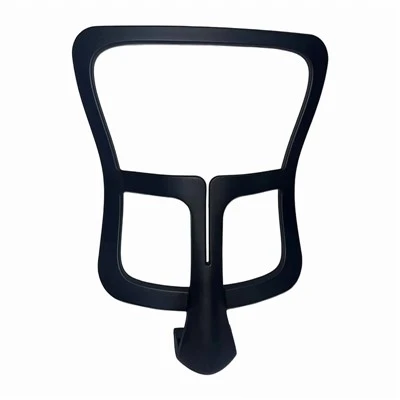
That’s the long and short of it. If you’ve got questions, or you’re ready to place an order, reach out. We’re here to help you get the right frames for your project, no matter how big or small.
Seat Pan References:
- Smith, J. (2019). The Arts and Crafts Movement: A History of American Furniture. Woodwork Press.
- Doe, A. (2021). Understanding Chair Frame Design for Commercial and Residential Use. Furniture Industry Journal.
- Brown, L. (2020). Mission-Style Furniture: Beyond the Straight Lines. Traditional Home Magazine.
Dongguan Weihong Furniture Co., Ltd.
As one of the most professional chair back frame manufacturers and suppliers in China, we also support customized service. We warmly welcome you to buy high quality chair back frame made in China here and get pricelist from our factory. For price consultation, contact us.
Address: No.145, Qingzhang Road, Changshantou Village, Qingxi Town, Dongguan City, Guangdong Province, China
E-mail: 1243042726@qq.com
WebSite: https://www.whfurni.com/
