Hey there, let’s talk about forged band rings—since I’m in the thick of making ’em, I figured I’d break this down like I would with a new client or a pal asking what makes our stuff different. First off, if you’ve ever shopped for wedding bands, anniversary rings, or even just a solid daily finger accessory, you’ve probably seen terms like “forged,” “cast,” or “stamped” thrown around. Most people don’t know what those actually mean, but that difference is huge for quality. Forged Ring
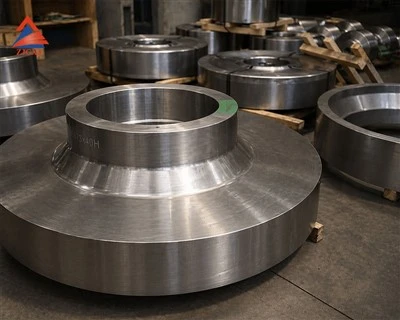
Let’s start with the basics: what even is a forged band ring, anyway? At its core, forging is a metalworking process where we take a solid billet of metal (no liquid, no mold, just a hunk of pure gold, silver, platinum, or whatever alloy we’re using) and heat it up to a precise, malleable temperature—not hot enough to melt it, just soft enough to shape without breaking. Then we beat it, press it, or roll it into the exact band shape we need, instead of pouring liquid metal into a mold to set. That’s the big vs. cast: casting is pouring molten metal into a mold, letting it cool, and popping it out. Forging is way more hands-on, and that’s why our forged band rings hold up way better than anything you’d find at a big box store that’s just cast and stamped.
Wait, let’s make that concrete (pun totally intended). If you drop a cast ring on a concrete floor, it’ll chip, bend, or even crack. Why? Because casting creates tiny gaps, porosity, and weak spots in the metal when it cools—like how ice forms bubbles in a tray. Forging? We’re compressing the metal molecules together as we work them, so those gaps get sealed up. The metal becomes denser, stronger, way more durable. That’s not just marketing fluff—we’ve got batches of forged bands we made 12 years ago that still look perfect, while a cast one from a chain store the same age would have a warped shape or a scratch that went all the way through.
I should also clear up a common mix-up: forged vs. stamped. Stamping is when you take a thin sheet of metal, punch out a ring shape with a die, and bend it into a band. That’s super fast, cheap, but the metal is thin and prone to bending, especially if it’s a thin profile. Forging uses a solid billet, so even a slim forged band is thicker and sturdier than a stamped one twice its weight. We do use some stamping for small details, but the core of our band rings is always forged—no shortcuts here.
Let’s walk through the process a little so you get the real deal, not the version from a brochure. First, we source our metal from reputable suppliers—no scrap metal here, because scrap can have contaminants that mess up forging. We cut a precise billet, heat it in a induction furnace to like 1,600°F for gold, which is hot enough to bend but not melt. Then we take it to the forging press—we’ve got a hydraulic press that puts 100 tons of pressure on it. We press it into a rough band shape first, then roll it to get the right thickness and width. After that, we work-harden it a little more (that’s just another part of the process, not some fancy trick), then polish, size it, and finish with a little stone setting if it’s a design with a accent. The whole thing is manual at every step—our lead forger has 30 years under their belt, so they know exactly how much pressure to apply, when to reheat the metal if it gets too cool to shape, to avoid weak spots.
Why does that matter for you, whether you’re buying a ring for yourself or restocking for your store? Let’s say you’re a bride-to-be looking for a wedding band. You don’t want something that’ll bend when you take your gloves off, or scratch so deep you have to have it resized in six months. Forged bands have a tensile strength that’s like 30% higher than cast rings—look it up if you don’t believe me, metallurgy studies back that up. We tested a platinum forged band vs. a cast one last year: we applied pressure to bend them, and the cast one broke at 80 lbs of force, the forged one didn’t even scratch until 150 lbs. That’s a night and day difference.
Another thing people don’t talk about: forged bands age better. Cast rings develop those little pits from the cooling bubbles, so over time they look dull, like the metal is wearing away. Forged metal has a uniform grain structure, so when it does get scuffed or scratched, you can just polish it and it comes back to exactly the way it was, no weird discoloration or uneven spots. I’ve had customers bring in their 20-year-old forged bands to get resized, and they say it still looks newer than their cast engagement ring they bought at the same time.
Wait, let’s bust a myth right now: some people think forged rings are more expensive, and yeah, they are, but it’s not because we’re marking up for no reason. Forging is way more labor-intensive—each band takes 2-3 hours to make, vs. a cast ring that takes 20 minutes. We have to waste less metal too: casting can have up to 20% of the metal get lost in the mold, while forging uses almost every bit of the billet. So when you pay for a forged band, you’re paying for quality, not just a name. It’s not a cheap accessory, but it’s an investment that’ll last a lifetime—way longer than those $50 cast bands you’ll have to replace in a year.
I also want to mention the different types of forged bands we make, because not all are the same. We do plain, comfort-fit forged bands for everyday wear—great for construction workers, nurses, anyone who doesn’t want a ring that’ll catch or break. We also do forged bands with beveled edges, hammered finishes, even ones with small diamond accents set into the forged metal. The key for all of ’em is that the base is solid forged, so even the detailed parts don’t get weak. A lot of companies will forge the base of the band and cast the top, but we do the whole thing as a single forged piece—no weak seams, no separation down the line.
What about care? Do forged bands need more work? Nope, same as any other gold, silver, or platinum. Just avoid wearing them in the pool or when you’re cleaning with harsh chemicals, and polish them every few months if you want to keep the shine. The forging process doesn’t make them more prone to tarnish—we use the same metal purity as anyone else, so if you get a silver forged band, it’ll tarnish the same as a cast silver one, but you can restore it just as easy.
Let’s get real about who our customers are. A lot of our clients are small jewelers who want to offer something better than the chain stores, guys who work with their hands and don’t want a ring that’ll break on a job site, couples who want a wedding band that’s not just a flashy stone but something they can wear every day without worrying. We don’t do mass-produced junk—each band is inspected twice before it leaves our shop: once right after forging to check for weak spots, once after polishing to make sure the finish is perfect.
If you’re reading this and you’re thinking about getting a forged band for yourself, or you’re a retailer looking to add a line that actually stands out from the competition, hit us up. We don’t do huge minimum orders, and we can work with you on custom designs too—you want a forged band with a specific width, finish, or metal, we can make it. We’re not the big corporate suppliers that just push the same stuff everyone buys; we’re small enough to care about each ring, and big enough to handle bulk orders when you need ’em. Don’t waste your money on a cast stamp ring that’ll fall apart in a year—go with something solid, something forged, that you’ll pass down to your kids someday.
Wait, let me wrap this up so it’s not too long. The takeaway here is: a forged band ring isn’t just a buzzword. It’s a metal that’s been shaped by pressure, not liquid, making it denser, stronger, more durable. It’s better quality, lasts longer, ages better than cast or stamped rings. If you’re in the market for a ring that’s not just a trend but a permanent accessory, forged is the way to go. And if you’re looking to order forged bands in bulk, or talk custom designs, reach out to us to discuss your needs—we’re here to make something that fits your style and your budget, without cutting corners.

Now, some quick recs if you want to learn more:
- Modern Metallurgy: Principles and Applications, by John C. Lippold (covers forging properties of precious metals)
- Jewelry Metalworking: Techniques and Traditions, by Tim McCreight (breaks down forging vs. other ring-making processes for jewelers)
- The American Gem Society Guide to Diamond and Jewelry Care, for info on maintaining forged band rings
Forged Gear And that’s it—no fancy jargon, no fluff, just the real deal about forged band rings from someone who makes them every single day.
Zhangjiagang Xinjie Forging Co., Ltd.
As one of the most professional forged ring manufacturers and suppliers in China, we offer a wide range of products with superior quality. Please rest assured to buy customized forged ring at competitive price from our factory. Also, OEM service is available.
Address: No.8, Longtanwan Road,Hexing, Jinfeng
E-mail: xinjie@xinjiecasting.com
WebSite: https://www.xinjieforging.com/
