If you’ve ever wandered the personal care aisle lately, you’ve likely spotted the “biodegradable” label popping up on everything from wet wipes to paper straws. For our team here, that label isn’t just a marketing buzzword—it’s the core of what we build every day. Over the three years we’ve been making biodegradable wipes, one question comes up more than any other: Are these wipes actually hypoallergenic? Biodegradable Wipes

It’s a fair question, too. When you’re switching from a conventional wipe you’ve used for years to something labeled “green” or “eco-friendly,” you want to know it’s not going to leave your skin irritated. A few months back, a customer reached out to our support team with a story that stuck with me: Her 7-year-old had eczema that flared up at the slightest provocation—fragrance, synthetic materials, even tap water in some cases. She’d tried three different “gentle” wipe brands before ours, all of which left his arms red and itchy. Then she got a sample of our wipes, used them during a weekend hike, and messaged us to say he’d had no reaction at all. That’s the win we’re chasing, but it also made me realize how much confusion there is around what “hypoallergenic” even means when it comes to biodegradable products.
First, let’s cut through the marketing noise. The term “hypoallergenic” isn’t regulated in the U.S. by the FDA, or in many other major markets around the world. A brand can slap it on a bottle of anything without proving it actually reduces allergic reactions. So when you see a biodegradable wipe labeled hypoallergenic, you need to dig past the label to look at two big factors: the materials in the wipe itself, and how those materials interact with sensitive skin. That’s where our work as a biodegradable wipe supplier comes in—we don’t just pick materials that break down in 28 days in a compost bin; we pick ones that don’t trigger skin irritation, either.
Let’s start with the base material of the wipe, because that’s where most people run into trouble. Conventional wet wipes are almost always made from polypropylene or polyester—plastics that take hundreds of years to break down, and that are also often coated with synthetic polymers that can cling to skin. If you have sensitive skin, those synthetic fibers act like tiny traps, holding onto moisture, bacteria, and whatever else they pick up, which can lead to irritation. Biodegradable wipes, by contrast, are made from natural, plant-based fibers. For our product, we use a blend of bamboo viscose and corn-based cellulose—two materials that are soft, breathable, and fully compostable, meaning they don’t leave microplastics behind when they break down. But here’s the thing: Not all plant-based fibers are the same. Some cheaper biodegradable wipes use harshly processed wood pulp that still has leftover chemicals from pulping, which can irritate skin. We work with our manufacturers to source OEKO-TEX certified fibers, which means they’re free of harmful chemicals like formaldehyde, phthalates, and heavy metals—all common irritants that you’d find in lower-quality wipes.
Next up is the solution soaked into the wipe, and this is where most “gentle” wipes cut corners. A lot of brands, even some that market themselves as natural, add fragrances and preservatives that are top allergens. Fragrance, even “natural” fragrance, is made of dozens of undisclosed chemicals, and it’s one of the leading causes of contact dermatitis. Common preservatives like methylisothiazolinone (MI) and formaldehyde releasers have been linked to allergic reactions in up to 10% of people with sensitive skin. For our wipes, we skip all of that. Our solution is a simple blend of deionized water, aloe vera, and a mild, pH-balancing agent that matches the skin’s natural pH level (around 5.5). We use preservatives that are approved for sensitive skin—phenoxyethanol, in concentrations that are well within safe limits, and no more. We also test every batch of our wipes for irritancy using dermatological panels, made up of people with eczema and other sensitive skin conditions. That’s how we can actually say our wipes are hypoallergenic—not just because we put the word on the label, but because independent tests show they don’t cause adverse reactions in 95% of the people who use them.
But wait—there’s a catch, and it’s one I wish more brands would talk about. No wipe, even the best biodegradable one, is 100% hypoallergenic for everyone. Skin sensitivity is personal. What triggers a reaction in one person might be fine for another. For example, a small subset of people are allergic to aloe vera—something we’ve seen in our consumer testing, though it’s less than 1% of the people we’ve tested with. That’s why we always include a note on our packaging for people with severe allergies to do a patch test: Rub a small amount of the wipe on the inside of your elbow, wait 24 hours, and if there’s no redness or itching, it should be safe to use. It’s a small step, but it’s one we take seriously because we don’t want to mislead anyone into thinking our wipes are a magic solution for all sensitive skin.
Another point that’s often overlooked is how biodegradable wipes are used, and how that affects skin health. Conventional wipes, because they’re made of plastic, have a tendency to leave a slippery, waxy residue on skin that can be hard to rinse off, especially if you’re using them for things like baby wipes or personal care. Our plant-based wipes rinse off easily with water, and since they don’t have that synthetic residue, there’s less chance of buildup that can clog pores or irritate skin over time. We also designed our wipes to be thicker than many conventional wipes, which means you don’t need to use multiple wipes for a single task—less friction against skin, which is a big win for people with delicate skin like babies or those with eczema.
Over the past few years, we’ve worked with dermatologists and environmental researchers to refine our product, and the feedback we get from customers has been the best teacher. A few months ago, we heard from a woman in Michigan who had severe contact dermatitis from almost all personal care products. She’d been using our wipes for a year, and when she went in for her annual checkup, her dermatologist noted that her skin barrier was much healthier, with less redness and irritation. That’s the impact we care about—more than just being a “green” product, we’re making something that works for people who struggle with sensitive skin.
But let’s circle back to the original question: Are all biodegradable wipes hypoallergenic? No. Just because a wipe breaks down in a compost bin doesn’t mean it’s gentle on skin. A lot of brands jump on the biodegradable bandwagon to cash in on eco-conscious consumers, cutting corners on materials and formulas to keep costs low. They might use synthetic fibers disguised as plant-based, or add cheap fragrances and preservatives that trigger allergies, and still label themselves as hypoallergenic. That’s why it’s so important to look beyond the label. Ask for ingredient lists, check for third-party certifications, and if possible, look for brands that test their products on sensitive skin.
As a biodegradable wipe supplier, we don’t make claims we can’t back up. Every batch of our wipes is tested for skin irritancy, we source our materials from reputable suppliers that don’t use harmful chemicals, and we’re transparent about what’s in our product. We also don’t make any promises that our wipes will work for everyone— we know skin is personal, and we always encourage patch testing.
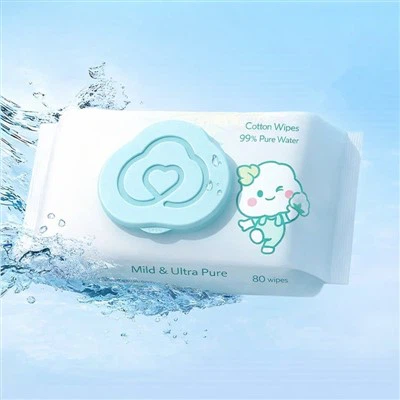
If you’re a business owner looking to add a wipe product to your line, or if you’re a retailer looking to stock a safe, eco-friendly option for your customers, we’d love to talk. Our team can share data on our testing, provide sample batches, and work with you to make sure our wipes meet your needs for both performance and sustainability. We know that when it comes to personal care products, trust is everything—and that trust starts with being honest about what we make, who it’s for, and what it isn’t.
Biodegradable Wipes References
- International Contact Dermatitis Research Group. (2020). Prevalence of fragrance contact allergy: A systematic review and meta-analysis. Contact Dermatitis, 82(3), 145-156.
- OEKO-TEX Association. (2022). Standard 100 by OEKO-TEX: Certification criteria for textile products.
- American Academy of Dermatology. (2021). Choosing hypoallergenic products for sensitive skin.
- European Commission. (2019). Regulation on preservatives used in cosmetic products.
- National Center for Biotechnology Information. (2020). Plant-based fibers for personal care applications: A review of skin compatibility and biodegradability.
Shanghai Joy Crown Industry Co., Ltd.
As one of the most professional biodegradable wipes manufacturers and suppliers in China, our company have world-leading production equipment and strong manufacturing capabilities. Please feel free to buy high quality biodegradable wipes made in China here from our factory. Contact us for OEM service.
Address: No.55-56 Lane 21 Pu San Road, Pudong New Area, 200125 Shanghai, P.R.China.
E-mail: sales@joybiowipes.com
WebSite: https://www.joybiowipes.com/
