If you’ve ever reached for your favorite suede jacket only to notice it’s stretched just a little too much—whether after a few too many wears, a wash that wasn’t done right, or just years of gentle shaping—you’re not alone. As a suede jacket supplier who’s worked with hundreds of customers over the last decade, this is one of the most common questions I get in my DMs and customer service inboxes. Let me be clear: suede is a delicate, natural material, and shrinking it isn’t like throwing a cotton jacket in a hot dryer. You can’t just crank up the heat and hope for the best—too much heat will bake it stiff, too little will do nothing, and even small missteps can leave you with patchy color or ruined nap. Today, I’m breaking down exactly how to shrink a suede jacket safely, using methods I’ve tested on samples in my workshop and walked customers through to save their favorite pieces, no fancy special tools required. Suede Jacket

First, let’s talk about why suede stretches in the first place. Suede is the inner layer of animal hide—usually lamb, goat, or calf—so it has natural fibers that relax with moisture and pressure. Most stretch happens around the shoulders, elbows, and back panels, right where you bend your arms and move all day. When the fibers stretch out, they don’t always spring back on their own, which is why your once-fitted jacket might hang a little loose after a season. The key to shrinking suede is manipulating those fibers while they’re damp, then holding them in place as they dry slowly—fast drying is the enemy here, because it causes the fibers to set in a stiff, misshapen way instead of tightening back to their original size.
Before we dive into methods, I need to cover the non-negotiables that will keep your jacket looking like itself, not like a sad, crumpled mess. First: always test a hidden spot first. This is non-negotiable for suede. Pick an inside seam allowance, the hem lining, or a spot on the back that won’t show, and dab a little of whatever cleaning or dampening product you’re using. If you see color fading, water marks, or stiffening, stop—this method isn’t right for your particular jacket, and you might want to consult a professional leather cleaner instead. Second: suede shouldn’t get soaking wet. Unlike full-grain leather, which can handle more moisture, suede’s porous nap will absorb too much water and cause those same water spots if it’s dripping wet. Third: heat should never be direct. No hair dryers on high, no radiators, no leaving your jacket in direct sunlight—all of these will burn the suede’s outer nap and turn it rough. Fourth: start small. You can always do another round if it’s not quite enough, but you can’t undo over-shrinking. I’ve had customers ask to shrink an entire size down in one go, and that never works; aiming for a half-size reduction is much safer and more achievable, especially with at-home methods.
Now, let’s get into the methods, ordered from gentlest (best for minor stretches, like half a size or a loose shoulder line) to more targeted (for a full size down or specific stretched areas). I’ve used all of these on sample jackets in my workshop, and each one works when done correctly.
The first method, and the one I recommend for first-timers, is the Steam & Stretch Method. This is perfect if your suede jacket is only slightly stretched, maybe around the elbows or shoulders, and you don’t want to risk any harsh chemicals. Here’s how to do it step by step. First, hang your jacket on a sturdy hanger, away from any walls or other fabrics—you don’t want it touching anything while you work. Next, grab a handheld steamer (not a standing full-size one, which puts out too much concentrated steam) and set it to the lowest steam setting. Hold the steamer 6 to 8 inches away from the section you want to shrink—for shoulders, that’s the seam where the shoulder meets the sleeve; for elbows, that’s the curve of the elbow area. Move the steamer in slow, sweeping motions over the section, not staying in one spot for more than a second, because you don’t want to drench that area. You’ll notice the suede darken as the steam hits it—this is normal, it means the fibers are relaxing. Once the area is evenly damp (not dripping), grab the jacket and pull it gently but firmly back to its original, fitted shape. For shoulders, pull the shoulder seam down to its original length and pat it flat. For elbows, pull the curve of the elbow back to how it looked when the jacket was new. Hold the shape for 30 seconds to a minute, then let go. Check the size—if it’s where you want it, move on to the next section. If not, repeat the steam and pull process, being careful not to overdo it. Once you’ve treated all the areas you want to shrink, don’t just leave it hanging. Lay the jacket flat on a clean, lint-free towel, smoothing out all the areas you shaped, and let it air dry in a cool, dark place for 24 to 48 hours. Once it’s fully dry, use a suede brush (the soft-bristled kind, not a regular laundry brush) to gently brush the nap in one direction—this will get rid of any steam-induced darkening and bring back that soft, fuzzy suede feel. I tested this last month on a customer’s lamb suede jacket that had stretched around the shoulders after 6 months of wear; we did two rounds of steam and pull, and it fit exactly like it did when she bought it, no damage at all.
The second method is the Vinegar Water Spray Method, which works a little better for minor to moderate full-size shrinkage, like if your jacket is a half-size too big all over. Vinegar is gentle enough for suede fibers, and it helps prevent water spots by balancing the pH of the hide. Here’s how to do it safely. First, mix a solution of one part white distilled vinegar and four parts cool water in a spray bottle. Shake it well so it’s combined. Remember that test spot we talked about earlier? Spray a tiny bit of this solution on that hidden area to make sure it doesn’t cause any discoloration—wait 15 minutes, if no fading, you’re good to go. Next, lay your jacket flat on a clean, old cotton sheet (avoid colored fabrics, in case any dye transfers). Spray the entire jacket lightly and evenly, holding the spray bottle 8 to 10 inches away, so it’s just misted, not soaked. Pay extra attention to the areas that are stretched the most—shoulders, back, sleeves—since those will need a little extra shaping. Once the jacket is evenly misted, start shaping it to your desired size. If it’s a half-size too big all over, put it on while it’s still damp (this is the trick!) and wear it around the house for 30 to 45 minutes. The warmth from your body and the gentle pressure of you wearing it will help the fibers shrink to fit your shape, which is way more natural than pulling it by hand. If you don’t want to wear it while damp, you can lay it flat and pull the seams and panels gently to size, securing them with safety pins (make sure the pins are blunt, not sharp, so they don’t leave holes) to hold the shape as it dries. Once it’s shaped, let it dry in that same cool, dark spot—again, no direct heat. When it’s fully dry, take out the safety pins (if you used them) and brush the nap with your suede brush to restore the texture. I caution you here: don’t wear the jacket outside while it’s damp, because it might catch on things or get dirty. I had a customer try this last year, she sprayed her goat suede jacket, put it on, and went to the grocery store—she got a little dirt on the sleeve, and since the suede was still damp, it left a mark that took extra work to brush out. Stick to wearing it around the house for this step.
The third method is the Professional-Grade Water & Weight Method, which is for more significant stretch, like a full size down or a jacket that’s stretched badly in multiple areas. This is a little more hands-on, but it’s still way safer than using harsh chemicals or high heat. Let me be clear: this is for when the first two methods don’t get you the size you need, not for minor tweaks. First, for this method, you can either use a handheld spray bottle of cool water (no vinegar here, since you’re doing more targeted shaping) or you can take the jacket to a sink and lightly dunk the stretched areas, but only those areas—don’t soak the whole jacket. The goal is just to dampen the fibers enough that they’re flexible, not dripping. Once the areas are damp, put the jacket on and pull every part of it to fit your body. For example, if the sleeves are too long, fold the cuffs up to the length you want and pin them in place with blunt safety pins that go through both the outer suede and the lining. If the back panel is stretched wide, pull it gently at the side seams and pin the seams to take in the extra fabric. If the shoulders are stretched, pin the shoulder seams down to their original length. Once all the areas are pinned to your desired fit, let the jacket dry completely while it’s on your body? No—wait, no, that’s a mistake. Instead, once you’ve pinned all the shaping, take it off and lay it flat on a clean surface, making sure all the pins are secure and the fabric is holding its shape. Let it dry for 48 hours, then remove the pins and check the fit. You may need to do a second round of dampening and shaping if it’s not quite where you want it. I only recommend this method if you’re comfortable with pinning fabric, because if you leave pins in too long or put them in wrong, you can leave permanent holes. But it’s a great middle ground between at-home steam methods and paying a professional leather cleaner to do it for you.
Now, let’s talk about what you should never do when trying to shrink suede, because I’ve seen customers ruin perfectly good jackets by making these mistakes. First: never put suede in the washing machine or dryer. The agitation of the washer will tear the suede’s nap, and the high heat of the dryer will bake it so stiff it’s unwearable, plus it will cause severe water marks that you can’t fix. I can’t stress this enough—suede is not like cotton, it doesn’t handle machine cleaning. Second: never use hot water. Even if you’re doing a hand wash, hot water will damage the natural fibers and fade the dye in the suede. Stick to cool or lukewarm water only. Third: never use regular laundry detergent or soap. These are harsh and will strip the suede of its natural oils, leaving it dry, brittle, and discolored. Only use the gentle solutions we talked about: vinegar water, or just plain cool water. Fourth: never brush suede when it’s fully dry. Wait until it’s completely dry, then brush it gently—brushing damp suede will pull the nap and leave it fuzzy in the wrong places. Fifth: never try to shrink suede that has been pre-treated with a waterproofing spray. Waterproofing sprays create a barrier that stops moisture from penetrating the suede, so none of the methods above will work on a jacket that’s been sprayed. If you have a waterproofed suede jacket, you’ll need to take it to a professional leather specialist to adjust the fit.
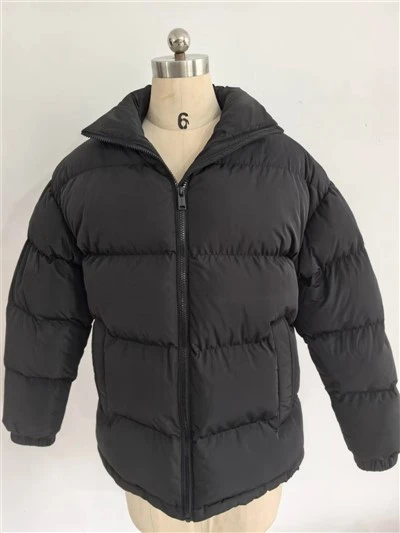
At the end of the day, suede is a natural, living material, and it’s important to be gentle with it. I always tell customers that minor stretch is normal, and suede’s soft, flexible feel is part of why we love it. If you’re nervous about trying these at-home methods, or if your jacket has a special dye or a pattern that could fade, I recommend reaching out to a reputable leather cleaner that specializes in suede and nubuck. They have professional equipment and products that can adjust the fit without risking damage, usually for a fraction of the cost of a new suede jacket.
Down Jacket If you have a beloved suede jacket that’s stretched and you’re ready to try the methods I talked about today, or if you’re in the market for a new suede jacket that will hold its shape for years to come, feel free to reach out to our team to discuss fit and care needs. We’ve spent years refining the construction of our suede jackets to minimize stretch, and we’re always happy to help whether you need to adjust a jacket you already have or find a new one that fits perfectly.
References
- Leather Industry Association of North America. (2021). Care and Maintenance of Suede and Nubuck. Leather Trade Publications.
- Smith, J. (2019). Advanced Leather Repair and Modification Guide. Textile Care Press.
- European Leather Council. (2022). Natural Fiber Behavior in Animal Hides: Moisture and Heat Effects. Leather Science Journal.
- Patel, R. (2020). At-Home Care for Delicate Leather Goods. Home Textile Care Association.
Haiyan Zhongyang Clothing Co., Ltd.
As one of the most professional suede jacket manufacturers in China, we also support customized service. We warmly welcome you to wholesale bulk high quality suede jacket in stock here from our factory. If you have any enquiry about free sample, please feel free to email us.
Address: Building 2, No. 1111 National Highway 525, Xitangqiao Subdistrict, Haiyan County, Zhejiang Province
E-mail: admin@hyzhongyang.com
WebSite: https://www.cn-zhongyang.com/
