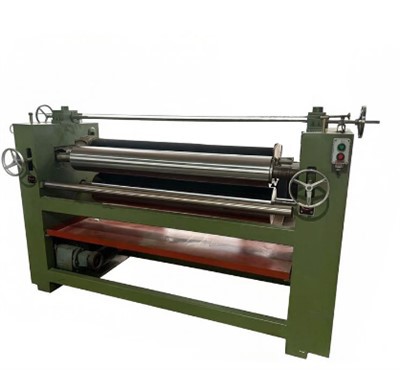
As a supplier of gluing machines, I often encounter inquiries from customers about the glue delivery rate of our machines. The glue delivery rate is a crucial parameter that directly affects the quality and efficiency of the gluing process. In this blog post, I will delve into what the glue delivery rate of a gluing machine is, its significance, factors influencing it, and how we ensure optimal performance in our products. Gluing Machine
Understanding the Glue Delivery Rate
The glue delivery rate refers to the amount of glue that a gluing machine dispenses within a specific period. It is typically measured in units such as grams per minute (g/min) or milliliters per minute (ml/min). This rate determines how much glue is applied to the substrate, whether it’s paper, cardboard, wood, or other materials.
The glue delivery rate is not a one – size – fits – all value. Different applications require different rates. For example, in the packaging industry, when gluing small boxes, a relatively low and precise glue delivery rate may be needed to ensure clean and accurate bonding. On the other hand, in large – scale woodworking operations, a higher glue delivery rate might be necessary to cover larger surfaces quickly.
Significance of the Glue Delivery Rate
Product Quality
The right glue delivery rate is essential for achieving high – quality bonds. If the rate is too low, there may not be enough glue to create a strong and durable bond between the materials. This can lead to products coming apart during handling, storage, or use. For instance, in bookbinding, insufficient glue can cause pages to detach, reducing the lifespan of the book.
Conversely, if the glue delivery rate is too high, it can result in excess glue seeping out, creating a messy appearance and potentially causing problems such as sticking to other surfaces or attracting dust. In the manufacturing of electronic devices, excess glue can interfere with the proper functioning of components.
Production Efficiency
An appropriate glue delivery rate can significantly enhance production efficiency. A well – calibrated machine can dispense the right amount of glue at the right time, reducing the need for rework and minimizing downtime. For example, in a high – speed packaging line, a gluing machine with a consistent and accurate glue delivery rate can keep the production process running smoothly, increasing the overall output.
Factors Influencing the Glue Delivery Rate
Glue Viscosity
The viscosity of the glue is one of the most important factors affecting the delivery rate. Viscosity refers to the thickness or resistance to flow of the glue. High – viscosity glues are thicker and flow more slowly, which means that the gluing machine needs to apply more pressure to dispense them at a given rate. Low – viscosity glues, on the other hand, flow more easily and may require less pressure.
For example, hot – melt glues can have a wide range of viscosities depending on their formulation. A gluing machine designed for low – viscosity hot – melt glue may struggle to deliver a high – viscosity version at the same rate without adjustments to the pressure and pump settings.
Machine Design and Components
The design of the gluing machine and its components also play a significant role in determining the glue delivery rate. The pump is a key component that is responsible for moving the glue from the reservoir to the application point. Different types of pumps, such as gear pumps, piston pumps, and peristaltic pumps, have different flow characteristics and capabilities.
The size and shape of the glue nozzles or applicators can also affect the delivery rate. Smaller nozzles may restrict the flow of glue, resulting in a lower delivery rate, while larger nozzles can allow for a higher flow. Additionally, the quality of the seals and valves in the machine can impact how accurately the glue is dispensed.
Operating Conditions
The operating conditions, such as temperature and pressure, can influence the glue delivery rate. Temperature can affect the viscosity of the glue. For example, hot – melt glues become less viscous as they are heated, which can increase the flow rate. Therefore, maintaining a consistent temperature is crucial for achieving a stable glue delivery rate.
Pressure is another important factor. The pressure applied by the pump determines how forcefully the glue is pushed through the system. Higher pressure can increase the delivery rate, but it also needs to be carefully controlled to avoid over – dispensing or damaging the machine.
How Our Gluing Machines Ensure Optimal Glue Delivery Rate
Precise Pumping Systems
Our gluing machines are equipped with state – of – the – art pumping systems that are designed to provide accurate and consistent glue delivery. We use high – quality gear pumps that offer excellent flow control and can handle a wide range of glue viscosities. These pumps are engineered to deliver a precise amount of glue with minimal variation, ensuring that the glue delivery rate remains stable throughout the production process.
Adjustable Settings
We understand that different applications require different glue delivery rates. That’s why our machines come with adjustable settings that allow users to fine – tune the delivery rate according to their specific needs. Whether it’s a small – scale operation or a large – scale production line, our customers can easily adjust the pressure, pump speed, and other parameters to achieve the optimal glue delivery rate.
Temperature Control
To account for the impact of temperature on glue viscosity, our gluing machines are equipped with advanced temperature control systems. These systems ensure that the glue is maintained at the optimal temperature, which helps to keep the viscosity consistent and the delivery rate stable. We use heating elements and sensors to monitor and adjust the temperature in real – time, providing our customers with reliable and repeatable results.
Regular Maintenance and Support
We also offer comprehensive maintenance and support services to ensure that our gluing machines continue to perform at their best. Our team of experienced technicians can provide regular inspections, cleaning, and calibration of the machines to ensure that the glue delivery rate remains accurate. We also offer training to our customers on how to operate and maintain the machines properly, so they can get the most out of their investment.
Conclusion
The glue delivery rate of a gluing machine is a critical factor that can have a significant impact on product quality and production efficiency. As a supplier of gluing machines, we are committed to providing our customers with machines that offer precise and consistent glue delivery. Our advanced pumping systems, adjustable settings, temperature control, and comprehensive support services ensure that our customers can achieve the optimal glue delivery rate for their specific applications.
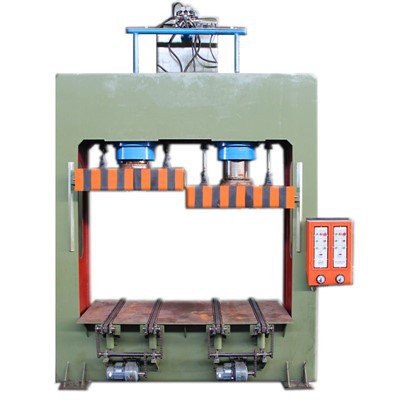
Cold Pressing Machine If you are in the market for a gluing machine and want to learn more about how our products can meet your needs, we encourage you to contact us for a detailed discussion. Our team of experts is ready to assist you in finding the right gluing solution for your business.
References
- “Glue Application Technology” by John Doe, published by ABC Publishing
- “Industrial Gluing Machines: Principles and Applications” by Jane Smith, published by XYZ Press
- Technical manuals and specifications of our gluing machines
Jiashan Changle Machinery Manufacturing Co., Ltd.
We’re well-known as one of the leading gluing machine manufacturers and suppliers in China, also support customized service. Please feel free to buy advanced gluing machine for sale here from our factory. Quality products and punctual delivery are available.
Address: Building 12, Zone A, Wanyang Innovation City, No. 23 Yucao South Road, Ganyao Town, Jiashan County, Jiaxing City, Zhejiang Province
E-mail: Changle84615620@163.com
WebSite: https://www.changlejx.com/
