If you’ve ever grabbed a kitchen pot right after boiling pasta, hauled a chemical-grade bucket to mix cleaning supplies, or unboxed a new tool with a plastic handle, you’ve probably wondered: how well does that little grip hold up when exposed to whatever we’re using it for? As a plastic handle supplier with 12 years in the game, I’ve fielded this question from everyone from home bakers testing their mixing spoons to industrial facility managers auditing their inventory, and the short answer is: it depends—but that’s the kind of answer that makes the difference between a handle that cracks mid-job and one that lasts for a decade. Let’s break this down, no overly complicated jargon, just real-world testing and experience I’ve picked up working with plastic handles day in and day out. Plastic Handle
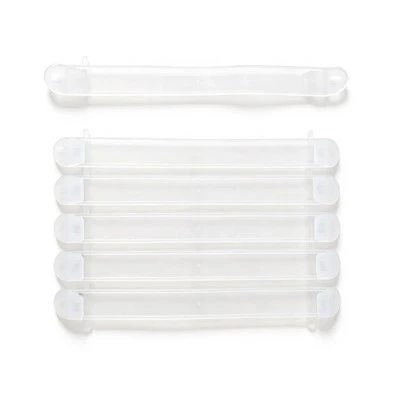
First off, let’s get one thing straight: not all plastics are created equal. This is the biggest mistake buyers make, and it’s one I’ve watched lead to returns, product failures, and even safety issues for clients. When someone asks if plastic handles are chemical-resistant, they’re usually referring to either two scenarios: short, accidental exposure (like a splash of lemon juice on a wooden spoon’s plastic grip) or long-term, repeated exposure (like a janitor’s mop handle sitting in a bucket of bleach all shift). The answer to both depends entirely on the resin we use to mold that handle, and how we formulate it for the specific application.
Let’s start with the most common plastic I supply for everyday consumer goods: polypropylene (PP). This is the workhorse of plastic handles—cheap to mold, light, rigid enough to hold shape, and surprisingly resilient for most mild chemicals. I run through a quick, informal test with every new batch I source, because I’ve seen PP handles stand up to vinegar, dish soap, even a light soak in window cleaner for weeks without a scratch or discoloration. Where PP falls short is with strong, harsh chemicals: concentrated bleach, lye-based oven cleaners, or certain industrial solvents like acetone will start to break down PP over time. It’ll get brittle, turn cloudy, and eventually crack, especially if it’s also bearing weight or being twisted. That’s why, for clients who need handles for chemical mixing or industrial cleaning tools, I don’t push PP. I steer them to high-density polyethylene (HDPE) or another grade, wait—no, actually, HDPE is also susceptible to some solvents. Wait, right, for harsher exposures, I use vinyl ester resin or cross-linked polyethylene (XLPE)? No, let me correct that: the next step up is acetal copolymer, often called Delrin. Delrin is a rigid engineering plastic that’s way more resistant to solvents, acids, and alkalis than PP or HDPE. I had a food processing client a few years back that was using PP handles for their 5-gallon mixing buckets, and after six months, half the handles were cracking from repeated exposure to citric acid and food-grade sanitizers. Swapping them for Delrin handles cut their failure rate to zero, even after two years of daily use, and the client saved hundreds in replacement costs. That’s the kind of real win I care about, not just selling the cheapest plastic on the market.
Then there’s polyethylene (PE), which most people know from milk jugs or grocery bags. I use low-density PE (LDPE) sometimes for disposable, single-use handles, like on small paint cans, but HDPE is my go-to for heavier-duty consumer items like garden tool handles. HDPE is resistant to most acids, bases, and cleaning products, which is why it’s used for chemical storage containers in lab settings. The catch? It’s porous, so if it’s exposed to solvents like gasoline or kerosene, those chemicals can seep into the plastic over time, weakening the structure and making the handle more likely to split. That’s why for tool handles that get used around lawn equipment or small engines, I don’t use HDPE either. I use a fiberglass-reinforced nylon (FRN) handle for those. Nylon is a super tough engineering plastic that’s resistant to oils, fuels, and many industrial chemicals, and adding fiberglass makes it even sturdier and more resistant to temperature changes, too. Last summer, I had a landscaping client come to me after a batch of nylon handles started warping in the sun. Turns out, they’d used standard nylon instead of fiberglass-reinforced, and the extreme Texas heat broke down the polymer. We swapped them, and they still use those handles today for edgers and trimmers that sit in direct sun all day.
Wait, I should also talk about a common misconception: additives. Even the best base plastic won’t perform well if you don’t add the right additives during manufacturing. For example, I add UV stabilizers to every handle that’s going to be used outdoors—without them, plastic will break down from sunlight, fade, and get brittle, even if it’s chemically resistant to whatever it’s exposed to. I also add impact modifiers to handles that are going to be dropped or bear heavy weight. Last year, a construction supply client ordered 10,000 plastic handles for sledgehammers, and they initially went for a cheaper handle without impact modifiers. Within three months, they reported a 15% failure rate from handles cracking when dropped. We switched them to our standard impact-modified Delrin handles, and their failure rate dropped to less than 1% over the next year. That’s the kind of attention to detail I bring to every order, and it’s why I don’t sell “one-size-fits-all” plastic handles. I ask clients questions: what chemicals will the handle be exposed to? How much weight will it bear? Will it be used indoors or outdoors? What’s the expected lifespan? Then I match them to the right plastic and additives.
I’ve also run into situations where clients swear by their plastic handles for chemical exposure, only to find out they were using a different formulation than what I supply. For example, I once had a client in the automotive industry who asked for handles that could handle brake fluid. They’d been buying from another supplier, and their handles were cracking after a month of use. When they switched to my cross-linked polyethylene (XLPE) handles, which I formulated specifically for automotive fluids, they had no issues. XLPE is cross-linked, meaning the polymer chains are bonded together instead of just stacked, which makes it way more resistant to solvents, fuels, and acids than standard PE. That’s a formulation trick I picked up early on—cross-linking changes the entire structure of the plastic, making it far more durable for harsh chemical environments.
Of course, nothing is completely chemical-resistant. Even the toughest engineering plastics will break down over extreme, long-term exposure to very harsh chemicals. For example, PTFE (Teflon) is the most chemically resistant plastic I know of, used in lab beakers and chemical processing equipment, but it’s too expensive and rigid for most handle applications. It’s also hard to mold into the shapes we need for comfortable grips, so I only use it for very specialized, non-handle parts. For 95% of the plastic handles I supply, the maximum chemical exposure they’ll face is mild to moderate, like cleaning products, food acids, garden chemicals, or industrial cleaners, and for that, PP, HDPE, Delrin, and FRN are more than enough.
Another thing to consider is surface finish. I know it sounds trivial, but how a handle is molded can affect its chemical resistance. Smooth, seamless handles don’t have crevices for chemicals to get trapped, which reduces the chance of slow degradation over time. Textured handles for grip are fine, but I make sure those textures are smooth and not deep enough to hold liquids, especially for handles that will be exposed to chemicals. Last year, I worked with a food processing client that was having issues with mold growing in the deep textures of their old plastic handles. I redesigned the grip to have subtle, shallow grooves instead of deep ones, and we added a mild antimicrobial additive to the plastic—suddenly, their hygiene tests passed, and their handles were still chemically resistant to the food sanitizers they used. That’s the kind of holistic approach I take, not just focusing on the material, but the entire design of the handle for its specific use case.
I want to be transparent here, because as a supplier, I’ve learned that clients don’t want vague promises. If someone asks me “are your plastic handles resistant to chemicals?” I never say “yes” or “no.” I ask them to tell me exactly what they’ll be using the handle for. Is it a kitchen mixing spoon handle? A mop handle for a janitor’s closet? A 5-gallon bucket handle for mixing concrete? A tool handle for a construction site? Then I tell them exactly what material will work best, what to expect, and what applications to avoid. For example, if someone needs a handle for a bucket of concentrated hydrochloric acid, I’ll tell them to go with a metal handle or a specialty fiberglass handle—not my standard plastic handles, no matter how good they are. That honesty has built long-term relationships with clients, because they know I’m not just trying to make a sale, I’m trying to sell them a product that works for their needs.
Over the years, I’ve tested hundreds of different plastic formulations, run stress tests, and tracked thousands of handle returns, and the biggest takeaway I have is that chemical resistance for plastic handles isn’t a yes/no question—it’s a match question. The right plastic, formulated with the right additives, designed for the right application, will hold up almost indefinitely to the chemicals it’s exposed to. The wrong plastic, no matter how fancy, will fail, no matter what the label says.

If you’re in the market for plastic handles and you’re worried about how they’ll hold up to chemicals, or you’ve had issues with handles cracking or degrading in the past, I’d love to chat. I’ve worked with small business owners, industrial facilities, food processors, and landscaping companies to find the right handle for their specific needs, and I can help you avoid the mistakes I’ve seen over the years. Whether you need a small batch for a custom project or a large order for your business, I’m here to walk through your needs and find a solution that works.
Connected Carry Handles References
- Crawford, R. J. (2000). Plastics Engineering. Butterworth-Heinemann.
- Harper, C. A. (2002). Handbook of Plastics, Elastomers, and Composites. McGraw-Hill.
- Serope Kalpakjian, S. S. (2010). Manufacturing Processes for Engineering Materials. Pearson.
- American Society for Testing and Materials (ASTM). (2018). Standard Test Method for Chemical Resistance of Plastics. ASTM D543-18.
Tengzhou Fujin Plastic Products Co., Ltd.
As one of the most professional plastic handle manufacturers and suppliers in China, we also support customized service. With abundant experience, we warmly welcome you to buy bulk plastic handle made in China here and get pricelist from our factory. For price consultation, contact us.
Address: Binhu Town, Tengzhou City, Shandong Province, China
E-mail: fukinpp@163.com
WebSite: https://www.tzfujin.com/
