Hey everyone, it’s Jake here from your go-to pipe fittings supplier, and today I’m breaking down how to actually install pipe fittings like you know what you’re doing. No stuffy industry jargon, no confusing steps that make you call a plumber at 2 a.m.—just real, doable advice from someone who’s been shipping these fittings out to contractors, homeowners, and DIYers for years. Pipe Fittings
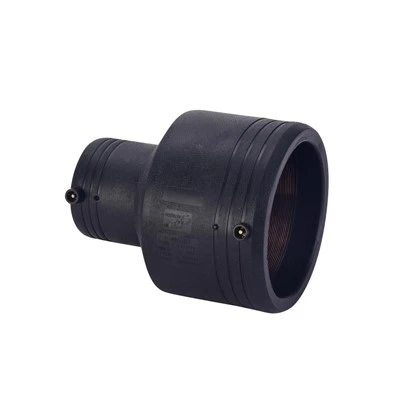
First off, let’s be real: installing pipe fittings isn’t rocket science, but skip a tiny step and you’ll end up with a leak that turns your bathroom ceiling into a swimming pool. I’ve seen it all—folks forgetting to turn off the water main, using the wrong thread sealant, even mixing up copper and PEX fittings. So let’s start with the basics you can’t skip, no matter what type of fittings you’re working with.
First, gather your tools and double-check your supplies. I know, I know—you’re eager to get going, but grabbing the wrong wrench will waste way more time than pausing for 5 minutes. Here’s what you actually need: adjustable wrench (or a pipe wrench, but keep it loose—don’t crush your fittings), tape measure, pipe cutter (way better than a hacksaw for clean cuts), emery cloth or steel wool, thread sealant (Teflon tape, for the love of all things plumbing—no liquid glue on threaded steel unless it’s specifically rated), and a bucket (for catching that stray water when you disconnect old pipes). Also, make sure your fittings match your pipe type: copper fittings for copper pipe, PVC fittings for PVC, PEX fittings for PEX, and don’t even think about using a galvanized steel fitting on a plastic pipe—they don’t play nice. I always tell my customers, if you’re not sure, shoot me a message before you buy, no pressure.
Next, the prep work that 80% of DIYers skip. Let’s talk about measuring and cutting your pipe first. Measure twice, cut once—this is the most important rule in plumbing. I still mess this up sometimes if I’m in a hurry, so take it from me: hold the pipe up to where it needs to go, mark it with a pencil, double that measurement (wait, no—wait, when you fit a pipe between two fixtures, you need to account for the length of the fittings on both ends, right? Yeah, I always forget that part, so I measure from the center of one fitting to the center of the other, then cut the pipe to that exact length. That way you don’t have a gap or extra sticking out. Once you mark it, use a pipe cutter—spin it around the pipe, tightening the screw a little every turn, until it cuts through. A hacksaw leaves burrs, which can gunk up your fittings and cause leaks. After cutting, take that emery cloth and rub the end of the pipe until it’s smooth, no sharp edges, no leftover metal shavings. If you leave burrs, they’ll catch on the threads and make it impossible to tighten the fitting all the way.
Now, depending on your fitting type, the installation changes a little. Let’s go through the most common ones I ship out every week: threaded fittings (steel, black iron, galvanized), push-to-connect (super popular for DIYers), and solvent weld (PVC, CPVC).
First, threaded fittings—these are the old reliables, used for gas lines, water lines, anywhere you need a strong, permanent seal. Once your pipe is cut and deburred, take your Teflon tape. Don’t just wrap it willy-nilly—wrap it clockwise around the threads, 3 to 5 times, only on the male threads. If you wrap counterclockwise, when you screw the fitting on, the tape will bunch up and get stuck. And don’t overdo it—too much tape will squeeze into the pipe and clog your faucet later. Now, screw the fitting on by hand first, as far as it will go. Then take your adjustable wrench, hold the fitting tight with one wrench so you don’t crush it, and turn the pipe wrench just 1 to 1.5 turns. That’s it—don’t crank it so hard you strip the threads. I see guys doing this all the time, and they end up with a fitting that’s impossible to remove later when they need to fix something.
Next, push-to-connect fittings—these are my favorite for newbies, no thread sealant, no soldering, just push and go. I ship these in bulk for a reason—they’re fast, no special tools (mostly). For these, you just need to make sure the pipe is cut perfectly square, no burrs. Take the pipe, line it up straight, push it firmly all the way into the fitting until you hear a click. That click means it’s locked in. To test it, gently pull the pipe—if it doesn’t come out, you’re good. If it does, you didn’t push it far enough. Super simple, right? But a pro tip: don’t use these for high-pressure gas lines, stick to water lines and low-pressure air.
Solvent weld fittings (PVC, CPVC)—these are the ones where you use cement to bond the pipe and fitting together. First, clean both the end of the pipe and the inside of the fitting with PVC primer (you can’t skip primer, it etches the plastic so the cement sticks). Wipe them down, let them dry for like 10 seconds. Then apply a thin, even layer of cement to both the pipe and the fitting, push the pipe all the way into the fitting with a slight twist—about a quarter turn. Hold it for 30 seconds, and that’s it. Don’t wobble it too much, and don’t test it for 15 minutes—let the cement set.
Wait, I need to talk about the mistake everyone makes at this step: turning the water back on too fast. Once your fittings are installed, turn on the water slowly, start with the closest faucet, check for leaks. If you have a leak, don’t panic—don’t crank the wrench harder, that’ll make it worse. For threaded fittings, you might need to tighten it a little more, but only a quarter turn at a time. For push-to-connect, cut the pipe and try again (sometimes there’s a tiny burr that’s stopping the seal). For solvent weld, you probably messed up the primer or cement, so you’ll have to cut that section out and redo it.
Now, let’s cover the common problems I hear about from customers, so you can avoid them. First, leaks at the threads—9 out of 10 times, it’s either not enough Teflon tape, or you wrapped it counterclockwise. Second, pipe cracking when you tighten the fitting—you used a pipe wrench on the wrong part, or you over-tightened. Always hold the fitting with a second wrench so you’re not putting pressure on the pipe. Third, pipe cutter leaving a ragged edge—if your cutter is dull, replace the wheel. Dull cutters crush the pipe instead of cutting it clean, which leads to leaks.
Oh, and a quick note about different materials: if you’re working with gas lines, don’t use Teflon tape rated for water—use gas-rated thread sealant. I stock both, just ask when you order. If you’re installing PEX, make sure your fittings are PEX-specific, not copper push-to-connect (wait, some push-to-connect work for PEX, but double-check the package). I can’t tell you how many times someone ordered copper push fittings for PEX and they don’t fit.
At the end of the day, installing pipe fittings is all about taking your time, not cutting corners, and making sure every step is clean. I’ve been in this game for years, seen way too many DIY projects go wrong because someone skipped a 2-minute prep step. If you’re working on a big project—like a whole bathroom remodel—and you need more than just a few fittings, hit me up. I can give you bulk pricing, answer any questions about compatibility, or even point you to resources if you’re stuck. We ship all over, fast, so you don’t have to wait around for your supplies.
If you’re looking to stock up on pipe fittings for your next job, or you have a specific question about installation, send a message to our team—we’re here to help, no sales pitch, just real advice. Whether you’re a seasoned contractor or a first-time DIYer, we’ve got the fittings you need to get the job done right, first try. Don’t let a bad installation ruin your project—get the right fittings, take your time, and that leak will be a thing of the past.

Happy plumbing, and hit us up for all your pipe fittings needs.
PE Electrofusion Fittings References
- Plumbing and Mechanical Contractors Association of America. Residential Pipe Installation Guide. 2022.
- Copper Development Association. Copper Pipe Fitting Best Practices. 2021.
- PVC Pipe Association. Solvent Weld Installation Procedures. 2020.
- International Code Council. Plumbing Code: Pipe Fitting Requirements. 2023.
Zhejiang Shengbo Pipe Fittings & Valves Industry Co., Ltd.
With abundant experience, we are one of the most professional pipe fittings manufacturers and suppliers in China. Please feel free to buy discount pipe fittings from our factory. Welcome to contact us for quotation and free sample.
Address: No. 79 Hemudu North Road, Hemudu Town, Yuyao City, Ningbo City, Zhejiang Province, China
E-mail: shengbo@zj-shengbo.com
WebSite: https://www.shengbofitting.com/
