If you’ve ever visited a small or medium-sized nail processing line facility – the kind that cranks out everything from standard construction nails to specialty finishing nails, staples, and even tiny brads for upholstery – one of the first things you notice (beyond the constant hum of wire feeders and stamping presses) is how focused the team is on waste. For too long, nail production was written off as a high-waste industry: hot cutting oil, scrap metal shavings, plastic packaging, and spent acids from plating processes would pile up in corners or get hauled off in unmarked trucks, with little consideration for disposal methods or regulatory compliance. As a supplier of nail processing line equipment for over 12 years, I’ve walked the floors of hundreds of these facilities, from 10-person workshops in rural midwest America to large-scale plants in Southeast Asia, and I’ve seen firsthand that the best waste treatment methods aren’t just about checking environmental boxes – they save plants money, reduce downtime, and even extend the life of their core machinery. Today, I want to break down the most common, science-backed waste treatment methods used in modern nail processing lines, and how partnering with the right equipment supplier can help you implement them without disrupting your production flow. Nail Processing Line

First, let’s get clear on what waste we’re actually dealing with in a nail processing line. Unlike consumer waste or even general manufacturing scrap, nail production generates a very specific set of waste streams, each requiring a tailored treatment approach. The primary ones are: ferrous metal scrap (including off-cuts from wire drawing, mis-stamped nails, and trim from nail heads), used metalworking fluids (MWFs, usually cutting oils or semi-synthetic coolants used during wire cutting, heading, and sharpening), plating process waste (spent acid solutions, heavy metal sludge from zinc or galvanizing lines), and packaging waste (plastic wraps, cardboard, and metal strapping). The order of operations in a typical nail line means waste is generated in a steady, predictable flow – so treatment methods need to be integrated into each stage of production, not just bolted on at the end of the line.
Let’s start with the most prevalent waste stream in any nail line: ferrous metal scrap. Every step of the process generates this: when raw steel wire is fed through drawing dies to reduce its diameter, any off-cuts from spool changeovers or misaligned dies get cut and set aside. When nails are formed, mis-stamped nails (called “trim nails” or “rejects”) and the tiny waste metal from cutting the nail to length and forming the head add up to between 5% and 10% of the total input wire, depending on the line’s age and calibration. For decades, the only option for this scrap was to sell it to a local scrap yard, but that’s a reactive, low-value approach. The modern treatment method here is on-site scrap metal processing, which I’ve helped dozens of clients install as part of line upgrades. Here’s how it works: first, a metal separator (often a magnetic conveyor integrated into the end of the nail trimming station) sorts ferrous scrap from any accidental non-metal debris or plastic packaging, so you don’t get cross-contamination. Next, a compact scrap baler – I recommend models with a 30-ton compression capacity for mid-sized lines, and 60-ton for large-scale operations – compresses loose scrap into dense, uniform bales that are up to 90% smaller than loose shavings. The science here is simple: compaction reduces the surface area of the scrap, which lowers transportation costs by up to 40% and makes it far more attractive to scrap buyers, who pay a premium for dense, consistent bales vs. loose metal shavings that can be tricky to load and transport. One client in Ohio told me that since we installed a baler and integrated magnetic separators last year, they’ve cut their scrap hauling costs by $1,200 a month and increased their scrap revenue by $800 a month – that’s an extra $20,000 a year just from treating scrap on-site, no extra labor required.
The next big waste stream is used metalworking fluids (MWFs), which are critical for keeping nail line dies, stamping heads, and wire feeders cool and lubricated during high-speed operation (nail lines can run up to 1,000 nails per minute, so overheating dies can cause costly downtime). Traditional MWF waste was either dumped down drains (a huge regulatory risk, as most MWFs contain petroleum-based additives that are toxic to water systems) or hauled off as “hazardous waste” at a high cost – often $2 to $5 per gallon, depending on location and volume. The treatment method for MWF that’s become standard for modern nail lines is on-site fluid recycling, a process that works by removing contaminants from used MWF so it can be reused for months or even years, rather than being discarded. Let’s break down the science: first, the used fluid is pumped from line sumps through a series of filters that remove large metal shavings and particulates. Next, a centrifugal separator spins the fluid at high speed to separate fine metal particles, oil, and water – MWF for nail lines is usually a water-based mix, so this step removes excess free oil that would break down the fluid’s effectiveness. Finally, a bioreactor or ultrafiltration system breaks down biological contaminants (like bacteria that grow in standing MWF, which causes odor and reduces lubricity) and removes residual heavy metals. I’ve worked with a fluid treatment system supplier that adapted their technology specifically for nail line MWF, and one client in Mexico City cut their annual hazardous waste disposal costs by 75% by implementing this system, reusing 92% of their MWF, which also reduced the amount of new fluid they had to buy. The key here is integrating the recycling system into the line’s existing sump setup – you don’t want to have to shut down your line for days to install it, so working with a supplier that designs systems to fit your line’s footprint is critical.
Plating waste is the most complex and heavily regulated stream in nail processing, especially for lines that do hot-dip galvanizing or electroplating to make nails rust-resistant for outdoor use or construction. Plating waste includes spent acid solutions (usually hydrochloric or sulfuric acid used to clean steel wire before plating), heavy metal sludge (containing zinc, lead, or cadmium from plating baths), and rinse water from the final rinsing of nails after plating. For years, the only disposal option here was treating the waste off-site, which requires specialized facilities and comes with a high price tag, plus strict regulatory reporting requirements that many small facilities struggle with. The modern treatment method for plating waste in nail lines is in-line neutralization and sludge dewatering, a closed-loop system that reduces hazardous waste output by up to 90%. Here’s how it works: first, spent acid from wire pre-treatment is collected in a dedicated sump, where it’s neutralized with a chemical base (like caustic soda or lime) to bring its pH level to a safe range (between 6 and 8, per most environmental regulations for discharge or sludge disposal). Next, heavy metal sludge from plating baths is directed to a thickener, where polymers are added to bind the metal particles into solid flocs, which then settle to the bottom of the thickener. The clear water that rises to the top is filtered and reused as rinse water in the plating process, so you’re not wasting clean water on rinsing, and you’re reducing the volume of hazardous sludge by up to 80% by dewatering it. I recently helped a client in Vietnam upgrade their plating line with this system, and they went from sending 15 tons of hazardous sludge per month to just 2 tons, cutting their hazardous waste disposal costs by 60% and reducing their water usage for rinsing by 55%. The biggest mistake I see facilities make with plating waste is treating it as an afterthought – if your plating line is not equipped with in-line neutralization, you’re not only risking fines (which can run into tens of thousands of dollars for violations) but also missing out on cost savings from water and sludge reduction.
Packaging waste, the final major stream in nail processing, is often overlooked, but it can add up for large facilities that ship thousands of boxes of nails daily. Nail processing lines generate plastic wrap that covers finished nail batches, metal strapping used to secure pallets, and cardboard from shipping raw wire spools. Traditional disposal for this waste is landfill, but a more sustainable and cost-effective treatment method is on-site sorting and recycling of packaging materials, with some facilities even setting up their own compactors and sorters to process materials for resale. For plastic wrap and strapping, a compactor is used to reduce volume, and many recycling companies will pick up baled plastic and metal strapping for a small fee (or even pay for it, depending on market prices) – another revenue stream that adds up over time. For cardboard, a cardboard shredder and baler can turn shipping boxes from raw wire into dense bales that sell to paper mills. I’ve seen facilities with integrated packaging treatment save an additional $500 to $1,000 a month on waste disposal, while also reducing their environmental footprint, which is a big selling point for construction and hardware retailers that source their nails from facilities with strong sustainability records.
Now, you might be wondering: why does this matter if I’m already happy with my line’s output? The truth is, waste treatment in nail processing isn’t just about compliance or saving money – it’s about extending the life of your core machinery, reducing unplanned downtime, and future-proofing your operations as environmental regulations grow stricter. Last year, I worked with a small nail line in Georgia that was refusing to upgrade their scrap and MWF treatment, because they thought it was an unnecessary expense. Six months later, they were hit with a $12,000 fine for dumping MWF down a drain, and their stamping presses started failing prematurely because contaminated MWF was wearing down their dies faster. They ended up paying more in fines and machine repairs than they would have spent on a full waste treatment system upgrade in the first place.
The key to implementing these treatment methods successfully is working with a supplier that understands the unique needs of nail processing lines, not just generic manufacturing waste. Many equipment suppliers will sell you a baler or a fluid recycler without designing it to fit your specific line’s speed, layout, and waste output, which leads to costly delays and underperformance. For example, nail lines run at different speeds depending on the type of nail they produce – a line making small finishing nails runs faster than one making 16-inch construction nails, so a baler needs to be calibrated to match your line’s scrap output, not a generic one-size-fits-all model.
If you’re currently dealing with high waste disposal costs, unplanned downtime from machine damage due to poor fluid quality, or regulatory compliance stress, the good news is that you don’t have to overhaul your entire line at once. Start with a waste audit: most reputable suppliers will conduct a free on-site audit of your current waste streams, to map out how much scrap, MWF, and plating waste you generate, and recommend a phased upgrade that fits your budget and timeline. For example, you could start with a magnetic separator and baler to improve scrap revenue, then add a small MWF recycling system, before moving to plating waste treatment. This incremental approach minimizes disruption to your production, while still delivering quick returns on investment.
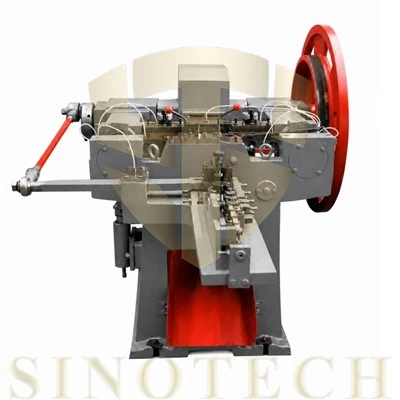
Waste treatment in nail processing lines has come a long way from the days of hauling scrap to the local junkyard and dumping old oil down the drain. Modern, science-backed methods like on-site metal compaction, fluid recycling, in-line plating waste neutralization, and packaging sorting don’t just reduce your environmental impact – they put cash back in your pocket, extend your machinery’s life, and reduce the risk of costly regulatory fines. As a supplier, my goal isn’t just to sell you a new piece of equipment; it’s to help you build a more efficient, sustainable, and profitable operation. If you’re ready to take the first step to reduce waste, lower costs, and future-proof your nail processing line, reach out to discuss your specific needs. The right waste treatment system isn’t an expense – it’s an investment that pays off for years to come.
Wire Processing Line References
- Occupational Safety and Health Administration (OSHA). 2021. “Metalworking Fluids: Safety and Health Guidelines.” U.S. Department of Labor.
- Environmental Protection Agency (EPA). 2020. “Waste Management Hierarchy for Manufacturing Industries.” U.S. Environmental Protection Agency.
- American Iron and Steel Institute (AISI). 2022. “Ferrous Scrap Processing and End-Use Guidelines.” AISI Technical Report Series.
- International Organization for Standardization (ISO). 2019. “ISO 14001: Environmental Management Systems – Requirements with Guidance for Use.” ISO.
- Zinc Association. 2021. “Galvanizing Waste Treatment and Recycling Best Practices.” International Zinc Association Technical Bulletin.
Sinotech Fasteners Industry Co., Ltd.
With abundant experience, we are one of the most professional nail processing line manufacturers in China. Please feel free to buy customized nail processing line at competitive price from our factory. Welcome to contact us for quotation.
Address: No. 7, North of Bantang Avenue, Huashan Industrial Park, Chaohu Economic Development Zone, Hefei City, Anhui Province, China
E-mail: ryan@sinotechfasteners.com
WebSite: https://www.sinotech-fasteners.com/
