Square netting, a versatile fencing material, has seen a surge in popularity across various applications. As a leading supplier of square netting, I often encounter a common question: Can square netting be used for animal enclosures? In this blog, I will delve into the viability of square netting for housing different types of animals, exploring its advantages, limitations, and key considerations for effective use. Square Netting

Advantages of Square Netting for Animal Enclosures
Durability
One of the primary benefits of square netting is its durability. Constructed from high – quality materials such as galvanized steel or heavy – duty plastic, square netting can withstand harsh environmental conditions, including extreme weather and physical impacts. For example, galvanized steel square netting is resistant to rust and corrosion, ensuring a long service life even in wet or humid environments. This durability makes it an ideal choice for long – term animal enclosures, as it can maintain its integrity over time and reduce the need for frequent replacements.
Versatility in Size and Mesh Opening
Square netting comes in a wide range of mesh sizes, which can be tailored to the specific needs of different animals. Smaller mesh sizes, around 1/4 inch to 1/2 inch, are suitable for containing small animals like rabbits, guinea pigs, or chicks. These fine meshes prevent the animals from escaping and also keep out predators such as snakes and small rodents. On the other hand, larger mesh sizes, ranging from 1 inch to 2 inches, can be used for larger animals such as goats, sheep, or ponies. The appropriate mesh size can be selected according to the size of the animals and the potential threats in the surrounding area.
Visibility and Ventilation
Another advantage of square netting is its high level of visibility and ventilation. Unlike solid fencing materials, square netting allows animals to see their surroundings, which can reduce stress and anxiety. This is particularly important for animals that are social or curious by nature. Additionally, the open structure of the netting allows for good air circulation within the enclosure, preventing the buildup of moisture and ammonia, which can be harmful to the animals’ health.
Cost – Effectiveness
When compared to some other fencing materials, square netting is often a more cost – effective option. It requires less material to cover a given area compared to solid panels, and its installation is generally simpler and quicker. This not only reduces the initial purchase cost but also lowers the labor cost associated with setting up the enclosure. For farmers and animal owners on a budget, square netting provides a practical and affordable solution for creating animal enclosures.
Limitations of Square Netting for Animal Enclosures
Predator Vulnerability (in some cases)
While square netting can keep out many predators, it may not be sufficient for some large and determined predators. For example, wolves, bears, or large wild cats may be able to break through or climb over square netting if it is not properly reinforced. In areas with a high presence of such predators, additional security measures, such as electric fencing or reinforcing the base and top of the netting, may be required.
Chewing or Entanglement Risks
Some animals, especially those with strong teeth or a tendency to chew, may damage the square netting. For instance, beavers and porcupines can gnaw through plastic or thin – gauge metal netting. Additionally, animals with long hair or feathers, such as Angora rabbits or some chicken breeds, may become entangled in the netting, which can cause injuries or even death.
Lack of Privacy
For animals that require a certain level of privacy, square netting may not be the best choice. Since the netting is transparent, it does not provide a secluded environment, which can be a problem for animals that are easily stressed by constant human or animal presence.
Considerations for Using Square Netting in Animal Enclosures
Animal Behavior and Size
Understanding the behavior and size of the animals is crucial when selecting and installing square netting. For agile animals like deer or goats, the enclosure needs to be tall enough to prevent them from jumping over. For animals that are prone to digging, such as foxes or rabbits, the netting should be buried a few inches below the ground to prevent them from burrowing out.
Weather Conditions
The local weather conditions also play a significant role. In areas with high winds, the square netting should be properly braced to prevent it from being blown over. In regions with heavy snowfall, the netting should be able to withstand the weight of the snow without collapsing.
Maintenance
Regular maintenance of the square netting is essential to ensure its effectiveness. This includes checking for any signs of damage, such as holes or loose wires, and repairing them promptly. Cleaning the netting periodically can also help to prevent the buildup of dirt and debris, which can weaken the material over time.
Case Studies: Square Netting in Different Animal Enclosures
Rabbit Enclosures
Square netting with a small mesh size, usually around 1/4 inch, is commonly used for rabbit enclosures. The fine mesh prevents the rabbits from squeezing through or getting their heads stuck. Rabbits are known for their chewing behavior, so using high – quality, chew – resistant netting is recommended. For example, some rabbit owners opt for galvanized steel netting, which can withstand the rabbits’ teeth.
Sheep and Goat Pastures
Larger mesh sizes, typically 1 – 2 inches, are appropriate for sheep and goat pastures. These animals are larger and less likely to get through the bigger openings. Square netting provides a visible boundary for the animals, and the good ventilation it offers helps to keep the livestock healthy. In some cases, farmers may combine square netting with electric fencing to add an extra layer of security against predators.
Poultry Runs
In poultry runs, square netting is used to keep the chickens or other birds in and predators out. A mesh size of 1/2 inch to 1 inch is commonly used. The netting allows the birds to see the outside world and also provides good air circulation. To prevent predators from reaching the birds from the ground or above, the netting should be installed on the sides, bottom, and top of the run.
Conclusion
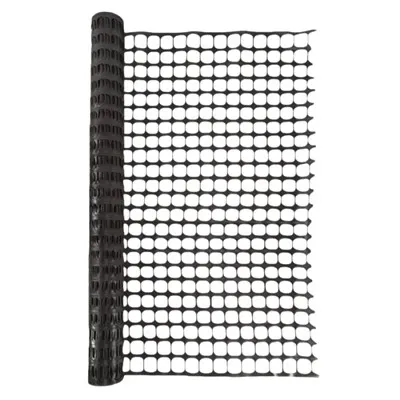
In summary, square netting can be an excellent choice for animal enclosures due to its durability, versatility, visibility, and cost – effectiveness. However, it also has its limitations, and careful consideration of the animals’ needs, local conditions, and potential threats is necessary. As a square netting supplier, I am committed to providing the highest – quality products and sharing the knowledge needed to make informed decisions.
Poultry Net If you are in the process of building or upgrading an animal enclosure and are considering using square netting, I encourage you to reach out for a consultation. Our team can help you select the most appropriate netting based on your specific requirements and provide guidance on installation and maintenance. Whether you are a small – scale hobby farmer or a large – scale commercial breeder, we have the expertise and products to meet your needs. Contact us to start the discussion about incorporating square netting into your next animal enclosure project.
References
- Smith, J. (2018). "Fencing Materials for Livestock Enclosures." Agricultural Science Journal, 25(3), 123 – 134.
- Johnson, A. (2019). "The Advantages of Square Netting in Animal Housing." Animal Welfare Review, 12(2), 89 – 98.
- Brown, C. (2020). "Selecting the Right Mesh Size for Animal Enclosures." Fencing and Enclosure Magazine, 30(4), 56 – 63.
Shaoxing Yongte Plastics Co., Ltd.
We are one of the most reliable square netting manufacturers and suppliers in China, specialized in providing high quality customized products. We warmly welcome you to wholesale discount square netting for sale here from our factory. Contact us for pricelist and free sample.
Address: INDUSTRIAL PARK, LIZHU TOWN, KEQIAO DISTRICT, SHAOXING CITY, ZHEJIANG PROVINCE
E-mail: support@sxxyongte.com.cn
WebSite: https://www.fenceplastic.com/
